

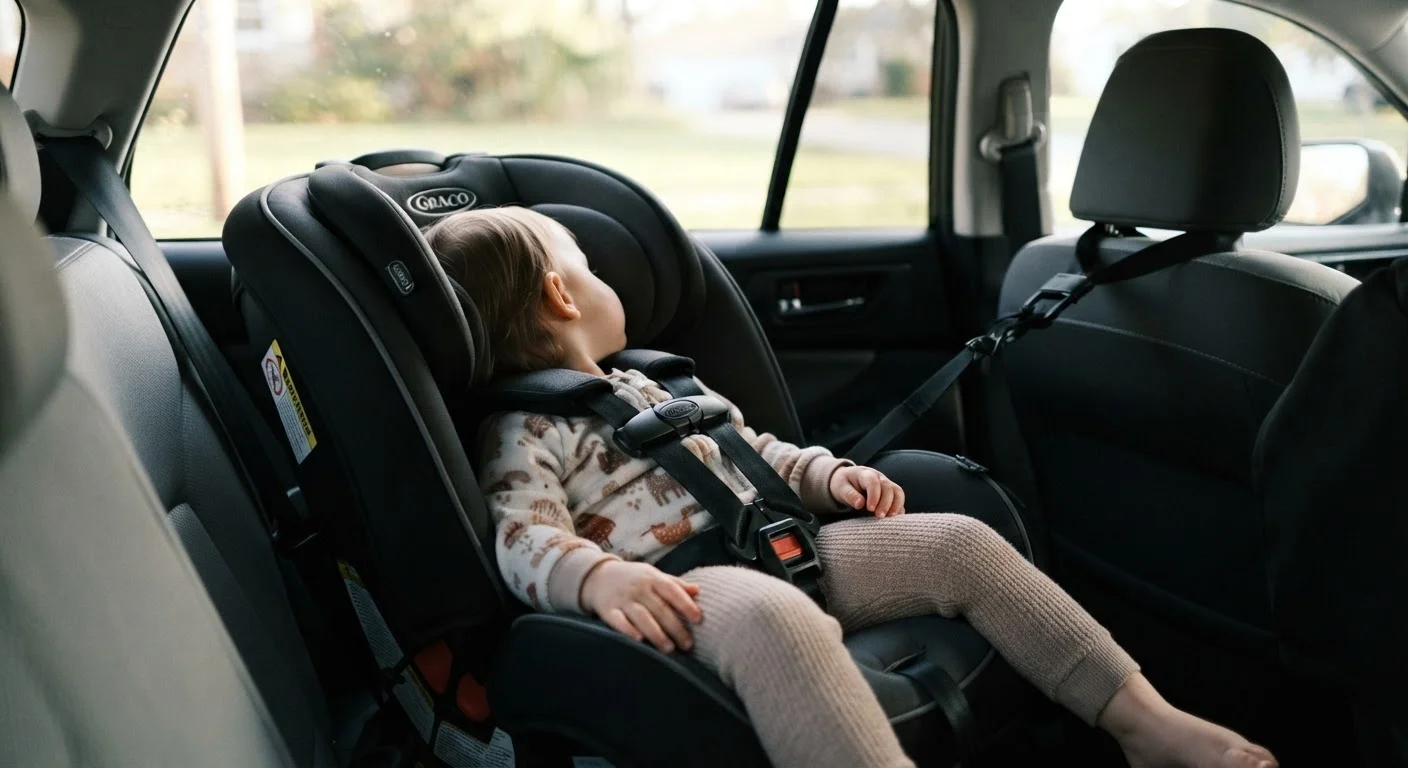
Why Car Seat Errors Are So Common
Child passenger safety is one area where confidence and accuracy often don't match. Studies conducted by NHTSA and child safety organizations have found that a significant majority of car seats are used with at least one installation or fit error - yet most parents believe they have it right. The gap between perceived and actual safety is where children are most at risk.
The problem isn't lack of effort. Seat manuals can be dense, vehicles vary widely, and advice from well-meaning family members sometimes contradicts current guidelines. Understanding where errors cluster most often is the first step toward fixing them. For families who also want a broader look at vehicle safety fundamentals, our guide for first-time car owners covers foundational habits that extend well beyond car seats.
~46%
Car seats used with critical misuse errors
NHTSA data indicates that nearly half of car seats observed in national studies had at least one error that could reduce protection in a crash.
Free
Cost of a CPST inspection at most check stations
Certified Child Passenger Safety Technician inspections are available at no charge through NHTSA's national network of inspection stations.
The Most Consequential Mistakes - and How to Avoid Them
The errors below represent the patterns most frequently flagged by certified Child Passenger Safety Technicians (CPSTs). Each one is correctable, and none requires special tools - only accurate information.
Moving a child to a forward-facing seat before they've outgrown the rear-facing limits.
Why it happens: A persistent belief that age two is the cutoff leads many parents to turn seats around on a child's birthday, regardless of their size.
Installing the seat with too much movement - more than one inch of side-to-side or front-to-back shift at the base.
Why it happens: Parents often assume the seat is secure if it doesn't slide easily, without performing the recommended firm tug test.
Placing bulky coats or snowsuits on a child before buckling the harness.
Why it happens: In cold climates, keeping children warm feels like the priority, and the hidden danger of compressed padding isn't intuitive.
Positioning the chest clip too low - across the abdomen instead of at armpit level.
Why it happens: The clip's name suggests it belongs near the chest, but its precise placement is rarely emphasized in brief setup instructions.
Using an expired or previously crash-involved car seat.
Why it happens: Expiration dates are not always prominent, and a seat that looks undamaged after a minor collision can appear safe when it may not be.
Routing the seat belt or LATCH strap through the wrong path.
Why it happens: Seats often have multiple belt paths for different configurations, and choosing the wrong one can happen easily without careful reference to the manual.
Never Use a Seat Without Reading the Manual
Every car seat model has specific instructions for installation, harness routing, and recline angle. Generic advice - including secondhand guidance from friends or older online resources - may not apply to your seat or vehicle. Before using any seat for the first time, read both the car seat manual and your vehicle owner's manual in full. If the manuals conflict, contact the seat manufacturer directly.
Getting a Professional Check - and Staying Current
Car seat safety isn't a one-time task. Seats must be re-checked after the child grows, after a vehicle change, and any time the seat is reinstalled. NHTSA maintains a searchable database of inspection stations across the US where certified technicians provide free checks - no appointment required at most locations.
Seats also expire. Most manufacturers set expiration dates six to ten years from the manufacture date, printed on a label on the seat's base or shell. An expired seat may have degraded plastic or harness materials that won't perform as designed.
Do Not Buy Used Seats Without a Full History
A used car seat may look intact but have hidden structural damage from a previous crash, missing parts, or an expired manufacture date. If you cannot verify the seat's complete history - including crash involvement and storage conditions - safety experts generally advise against using it. When in doubt, a new seat or a seat sourced from someone you fully trust is the safer choice.
Staying informed about evolving guidelines matters too. Recommendations from the American Academy of Pediatrics (AAP) and NHTSA are updated periodically as research advances. Following credible, current sources - rather than outdated advice - keeps your approach aligned with the best available evidence. Planning a longer drive with kids? Our article on road trip myths for first-time family travelers addresses other common assumptions that can affect safety and comfort on the road.
The content provided on our blog site traverses numerous categories, offering readers valuable and practical information. Readers can use the editorial team’s research and data to gain more insights into their topics of interest. However, they are requested not to treat the articles as conclusive. The website team cannot be held responsible for differences in data or inaccuracies found across other platforms. Please also note that the site might also miss out on various schemes and offers available that the readers may find more beneficial than the ones we cover.