

Why Food Costs Blow Up Family Travel Budgets
For a family of four, three restaurant meals a day in a major city can easily run $150-$250 or more - and that's before drinks, tips, or the inevitable dessert negotiation. Food is often the single most underestimated line item in a travel budget, yet it's also the most flexible. Unlike flights or hotel rates, food spending responds immediately to small shifts in strategy.
The goal isn't to skip good food - it's to be deliberate about when you spend and when you don't. Families who handle this well tend to save on the routine meals so they can genuinely enjoy the splurge-worthy ones. See how this fits into a broader approach in our complete family travel planning framework.
Core Strategies That Actually Work
These practices are drawn from the realities of family travel - not idealized scenarios. They're flexible enough to adapt whether you're road-tripping through national parks or navigating a major city.
Quick Wins You Can Use Starting Today
Some of the biggest food-budget wins require almost no advance planning. Whether you're already mid-trip or packing right now, these actions deliver immediate results.
For a fuller look at keeping spending on track once you're already moving, the road trip budget guide covers food alongside fuel and lodging in one practical framework.
Eating Local Without Overpaying
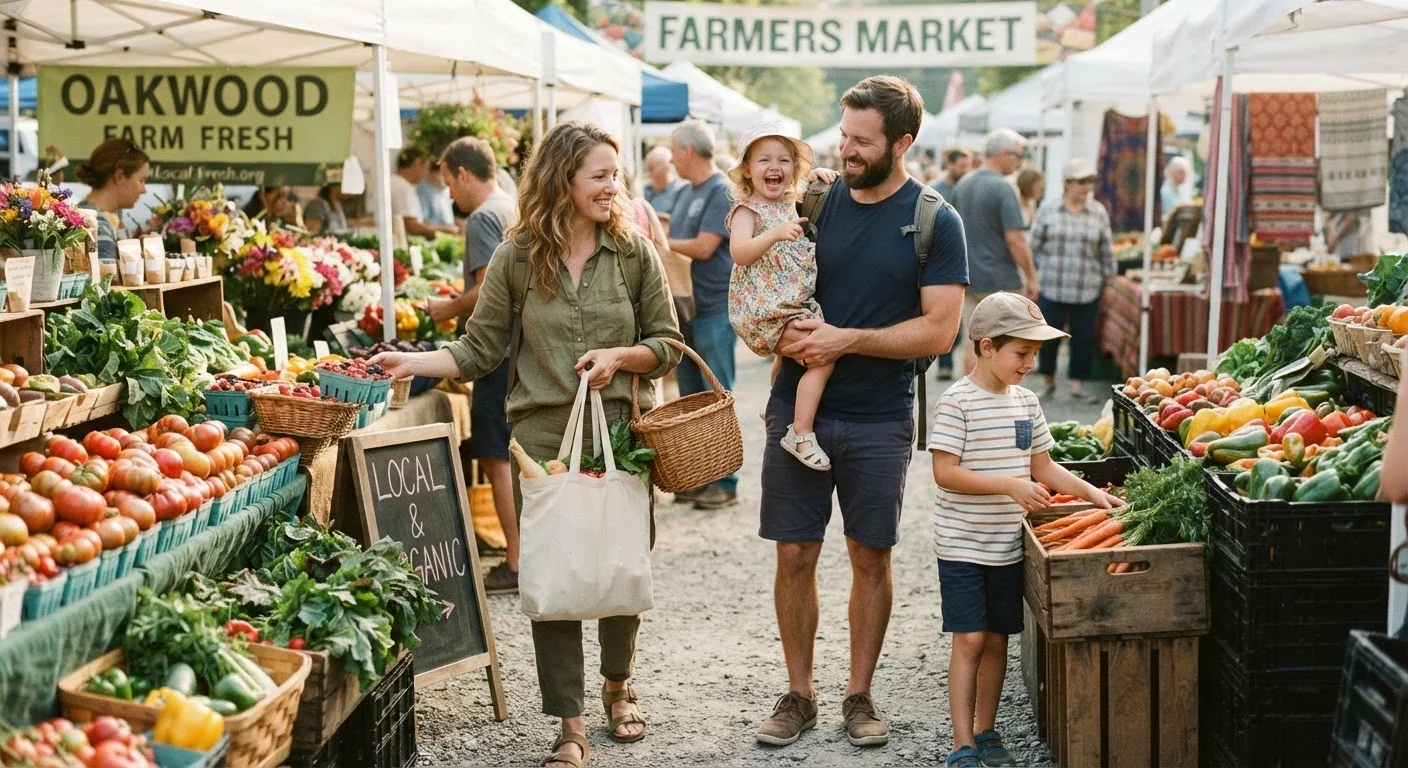
Experiencing local food culture is one of the genuine joys of travel - and it doesn't have to mean expensive sit-down dinners every night. Some of the most memorable and authentic meals come from the least polished settings.
Street food stalls, food trucks, covered markets, and lunch counters frequented by local workers are almost always cheaper than tourist-facing restaurants, and the food quality is often higher. In cities like New York, exploring neighborhood food culture is itself an activity - our NYC family travel guide covers neighborhoods where this approach works especially well.
When traveling internationally, first-time international travelers should note that food norms vary significantly - what counts as a budget meal differs widely by country, so researching local price expectations before arrival pays off.
For families with selective eaters, mixing familiar staples from a grocery store with one adventurous local meal per day tends to reduce mealtime friction considerably. Our guide to feeding picky eaters has strategies that translate well to travel settings too.
The content provided on our blog site traverses numerous categories, offering readers valuable and practical information. Readers can use the editorial team’s research and data to gain more insights into their topics of interest. However, they are requested not to treat the articles as conclusive. The website team cannot be held responsible for differences in data or inaccuracies found across other platforms. Please also note that the site might also miss out on various schemes and offers available that the readers may find more beneficial than the ones we cover.