

Our Verdict
Gap insurance fills a real financial hole for drivers who financed a new vehicle with little down, chose a long loan term, or are leasing. During the first two to three years of ownership, the risk of being 'underwater' - owing more than the car is worth - is at its peak, and a total loss without gap coverage can mean thousands of dollars out of pocket. Once your loan balance falls below the car's actual cash value, the coverage becomes unnecessary.
Gap insurance is best suited for families who financed a new or late-model used vehicle with a low down payment, a loan term of 60 months or longer, or a lease agreement.
What Gap Insurance Actually Covers
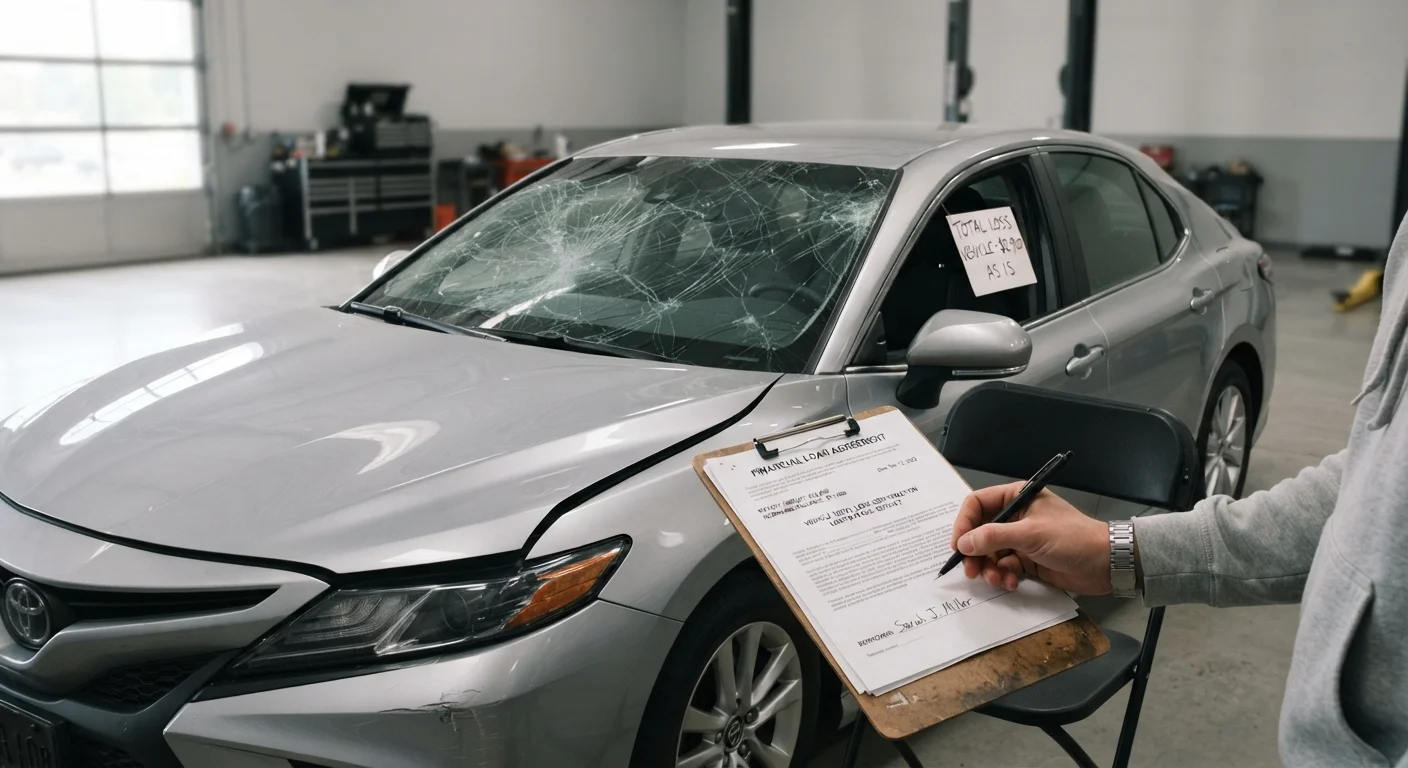
Gap insurance - short for Guaranteed Asset Protection - is a supplemental auto coverage that kicks in after a total loss. When your car is declared a total loss following a collision, theft, flood, or other covered event, your standard auto insurer pays you the vehicle's actual cash value (ACV) at the time of loss. That figure reflects depreciation, not what you paid or what you still owe.
If your loan balance is higher than the ACV payout, you are left covering the difference yourself. Gap insurance pays that shortfall, so you are not making payments on a car you no longer have. It does not cover your deductible, mechanical repairs, missed payments, or a replacement vehicle - only the balance between what the insurer pays and what you owe the lender or lessor.
To understand how this interacts with your existing policy, see our guide on comprehensive vs. collision coverage - gap insurance only activates once those coverages pay out.
Why Depreciation Creates the Gap
New vehicles can lose a significant portion of their value in the first year alone, with depreciation accelerating most sharply in the early ownership period. If you financed a $35,000 vehicle with a small down payment over 72 months, your loan balance in year one may still sit close to the purchase price - while the car's market value has already dropped by several thousand dollars.
~20%
Typical first-year new car depreciation
Industry estimates consistently place average new vehicle depreciation in the range of 15-25% within the first year, varying by make, model, and market conditions.
72 months
Common loan term length today
Longer loan terms - 60 to 84 months - have become increasingly common, extending the period during which a borrower may owe more than the vehicle's current market value.
This mismatch is the core problem gap insurance addresses. The longer your loan term and the smaller your initial equity, the larger and longer that gap tends to be. Leased vehicles carry a similar exposure: if a leased car is totaled, you may still owe remaining lease payments plus early termination fees beyond what the insurer pays.
It is worth noting that depreciation varies considerably by vehicle type, mileage, condition, and market conditions. Trucks and certain SUVs have historically depreciated more slowly than some sedans - but no buyer can predict market conditions at the time of a future total loss.
Pros and Cons of Gap Insurance
Whether gap insurance makes sense depends on your specific financing situation. Here is a balanced look at both sides.
Prevents out-of-pocket loss after a total loss
Without gap coverage, you could owe thousands to your lender for a car you no longer have. Gap insurance eliminates that liability entirely, protecting your household budget from a sudden financial shock.
Particularly valuable in the first two to three years
Depreciation is steepest early in a vehicle's life, which is exactly when loan balances remain highest. Gap coverage is most cost-effective when the potential gap is largest.
Often available for a modest additional premium
When added through an auto insurer (rather than a dealer), gap coverage can cost relatively little per year - a manageable expense compared to the potential exposure it covers.
Essential protection for lease agreements
Lease contracts typically require gap coverage, and for good reason - lessees carry exposure to residual value shortfalls and early termination fees that standard coverage does not address.
Peace of mind during high-depreciation years
Knowing a total loss won't leave you financially upside-down allows families to manage their auto budget with greater confidence during the most vulnerable ownership period.
Unnecessary once you have positive equity
Once your loan balance drops below the car's actual cash value, gap insurance pays nothing in a total loss scenario. Continuing to pay for it past that point is wasted expense.
Dealer-sold gap coverage can be overpriced
Gap products sold at the dealership or rolled into a loan are frequently priced significantly higher than equivalent coverage from a standard auto insurer. This markup can make the product poor value.
Does not replace your deductible or a new vehicle
Gap insurance only covers the loan shortfall - it does not pay your collision or comprehensive deductible, nor does it fund a replacement car. Families may overestimate what it actually provides.
Limited relevance for used vehicle buyers
Used cars have typically absorbed their steepest depreciation already. A modest loan on a used vehicle is less likely to produce a meaningful gap, making coverage less justifiable.
One point many families overlook: gap coverage purchased through a dealership or lender is often significantly more expensive than adding it through your existing auto insurer. Always compare costs before accepting a bundled product at the financing table. Our article on what drives your insurance premium explains the broader factors that shape what you pay for auto coverage.
When You Likely Don't Need Gap Coverage
Gap insurance is not universally necessary, and paying for it when you don't need it adds cost without benefit. You can reasonably skip it in several situations:
- You paid cash or made a large down payment. If you put 20% or more down, you may have immediate equity, meaning your loan balance is below the car's value from day one.
- You own the car outright. No loan means no gap to cover.
- Your loan balance is already below the car's value. Check your payoff amount against a current market valuation - if you have positive equity, gap coverage serves no purpose.
- You financed a used vehicle with a short loan term. Used cars have already absorbed the steepest depreciation, reducing the likelihood of a significant gap.
How to Check If You Have a Gap
Get your current loan payoff amount from your lender, then look up your vehicle's current market value using a reputable valuation resource. If your payoff amount exceeds the market value, a gap exists. Repeat this check annually - or whenever your financial situation changes significantly - so you can cancel coverage the moment it is no longer needed.
Some families also fall into the trap of keeping gap insurance well past the point it matters. Review your loan balance against your vehicle's current market value annually. Once you have equity, canceling the coverage is a straightforward way to trim costs. For a broader look at coverage decisions that affect your wallet, see common car ownership myths that cost families money.
This article provides general information about auto insurance concepts and is not personalized insurance or financial advice. Coverage terms, costs, and availability vary by insurer, state, and individual circumstances. Consult a licensed insurance professional for guidance specific to your situation.
The content provided on our blog site traverses numerous categories, offering readers valuable and practical information. Readers can use the editorial team’s research and data to gain more insights into their topics of interest. However, they are requested not to treat the articles as conclusive. The website team cannot be held responsible for differences in data or inaccuracies found across other platforms. Please also note that the site might also miss out on various schemes and offers available that the readers may find more beneficial than the ones we cover.