

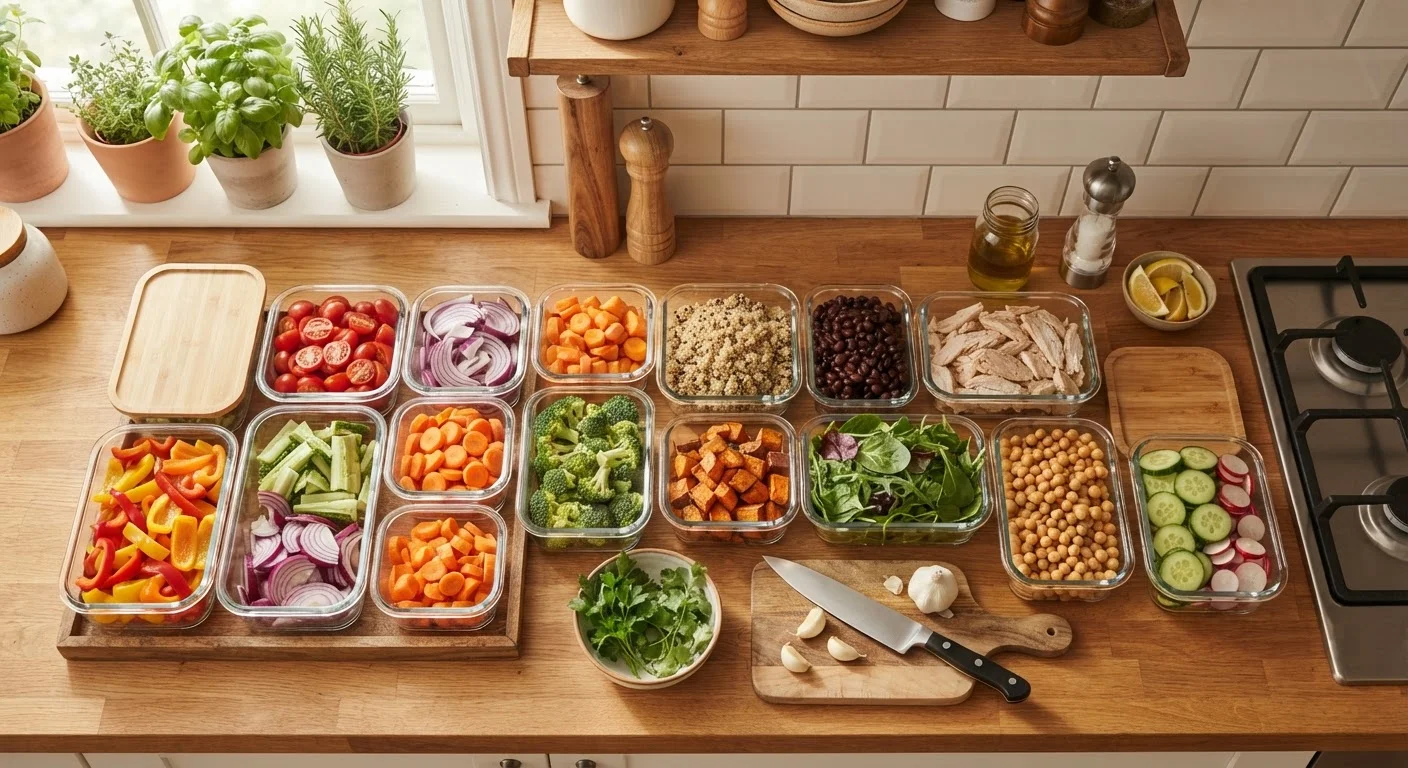
Why Batch Cooking Works as a Nutrition Strategy
The appeal of batch cooking goes beyond saving time. When nutritious food is already prepared and accessible, families are less likely to default to heavily processed convenience options when schedules get tight. Research on food environments consistently suggests that the easiest available option tends to win at mealtime - batch cooking is essentially a way of engineering that environment in your favor.
This approach aligns well with what nutrition professionals broadly recommend: consistent access to a variety of whole foods, including vegetables, whole grains, lean proteins, and legumes. By preparing these components in bulk, you build a flexible pantry of ready-to-assemble meals throughout the week rather than starting from scratch each night.
Batch cooking also supports the kind of meal planning that can reduce food waste and make better use of a grocery budget - a meaningful benefit for households managing weekly spending. For a broader framework on building balanced family meals, see building a week of family meals around the Dietary Guidelines.
Start Smaller Than You Think You Need To
If batch cooking feels daunting, begin with a single component - one large pot of grains or a sheet pan of roasted vegetables. Even one pre-prepared element per week can meaningfully reduce how often your household reaches for less-nutritious shortcuts. Build the habit gradually rather than attempting a full kitchen overhaul at once.
What to Batch Cook: Choosing Versatile Nutritional Anchors
The most effective batch-cooked items are those that can shift roles across multiple meals - a grain that works as a side dish, a grain bowl base, or a soup ingredient, for example. Prioritize components from each of the following categories:
- Whole grains: Brown rice, farro, quinoa, and barley hold well in the refrigerator for several days and adapt to both savory and mild flavor profiles.
- Legumes: Dried or canned beans and lentils are nutrient-dense, economical, and highly versatile. Cooking a large pot of lentils once yields multiple possible meals.
- Roasted vegetables: A sheet pan of mixed vegetables roasted with olive oil can be folded into eggs, grain bowls, wraps, or pasta throughout the week.
- Proteins: Poached or baked chicken, hard-boiled eggs, or baked tofu can anchor lunches and dinners without requiring additional cooking.
Families moving toward more plant-based eating will find batch cooking especially useful - it removes the friction that often slows that transition. For more on that, see getting started with plant-forward eating.
What you will need
How to Batch Cook Efficiently and Safely
Following a consistent approach each session makes batch cooking manageable rather than overwhelming. The steps below reflect both practical efficiency and food safety best practices from public health guidance.
Plan your week's meals before you shop
Identify three to five dinners and at least two lunch options for the week. Note which components they share - for example, brown rice may appear in both a stir-fry and a grain bowl. This overlap is what makes batch cooking efficient. Write a consolidated ingredient list to avoid overbuying.
Set up your kitchen for parallel cooking
Before you start, clear counter space and gather all containers, cutting boards, and utensils. Identify which items take the longest - grains and dried legumes typically need the most time - and start those first. Use oven, stovetop, and a slow cooker simultaneously if available to run multiple components in parallel.
Cook foundational components in bulk
Prepare your chosen grains, legumes, and proteins according to standard cooking instructions. For vegetables, a 400°F oven with a light coat of oil produces good results across most varieties. Avoid heavily seasoning bulk components - neutral flavors maximize how many different meals each component can support.
Cool and store food safely
Allow cooked food to cool to room temperature - but not for longer than two hours - before sealing and refrigerating. The USDA recommends refrigerating cooked food within two hours of cooking to prevent bacterial growth. Divide large batches into shallow containers to speed cooling. Label each container with the date it was prepared.
Rotate and use components throughout the week
Plan to use refrigerated batch-cooked items within three to four days. Freeze any portions you don't expect to use within that window immediately after cooling - most cooked grains, legumes, and proteins freeze well. Build variety by combining components differently across meals rather than eating the same dish repeatedly.
If you're navigating picky eaters in the household, batch cooking can actually work in your favor - having familiar, approachable components already prepared makes it easier to offer variety without pressure. See feeding picky eaters without turning dinner into a battleground for strategies that complement this approach.
Don't Let Batch-Cooked Food Sit Too Long
Most batch-cooked components should be consumed within three to four days when refrigerated, according to USDA food safety guidance. When in doubt, freeze portions promptly rather than leaving them in the refrigerator. Spoiled food may not look or smell obviously off - following date labels is more reliable than sensory checks alone.
This article is for general informational and educational purposes only and is not a substitute for professional nutrition or medical advice. Consult a registered dietitian or qualified healthcare provider for guidance tailored to your family's specific health needs.
The content provided on our blog site traverses numerous categories, offering readers valuable and practical information. Readers can use the editorial team’s research and data to gain more insights into their topics of interest. However, they are requested not to treat the articles as conclusive. The website team cannot be held responsible for differences in data or inaccuracies found across other platforms. Please also note that the site might also miss out on various schemes and offers available that the readers may find more beneficial than the ones we cover.