

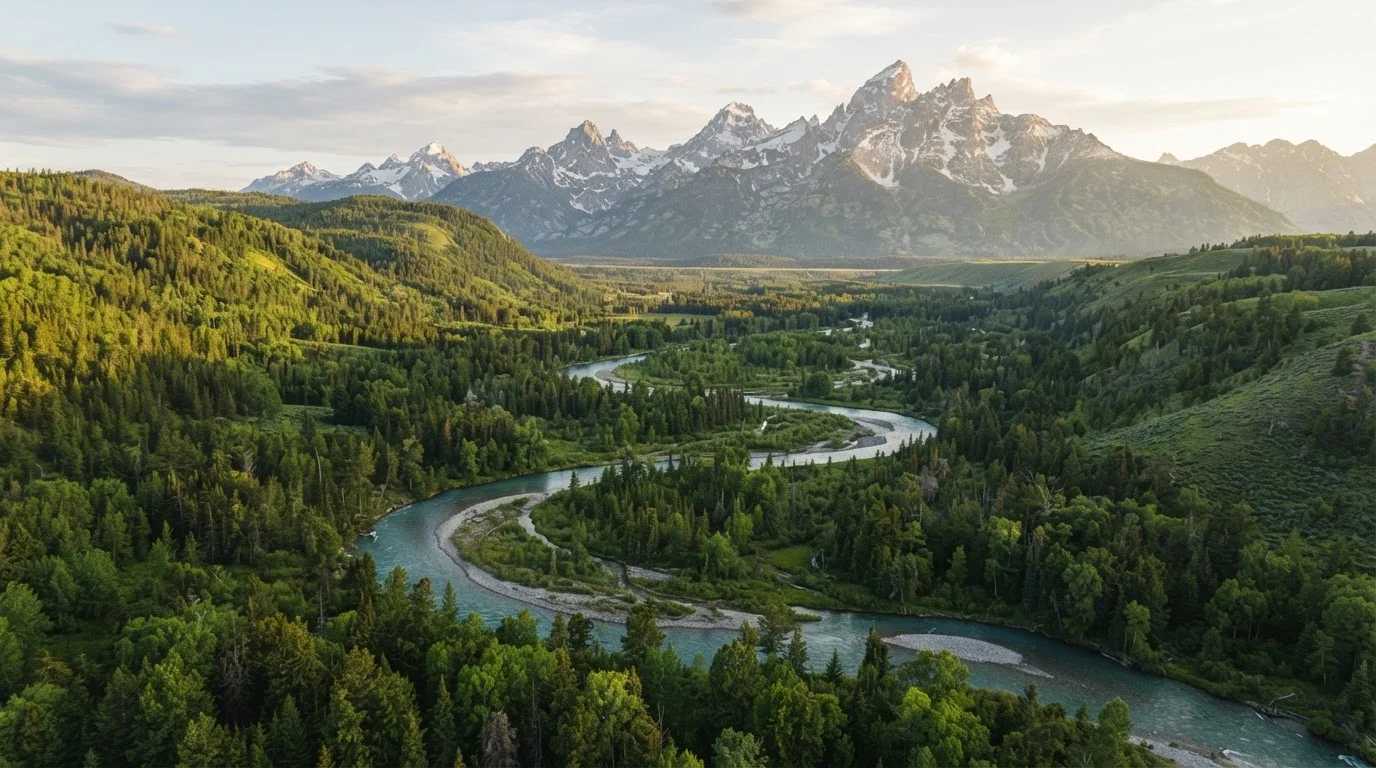
Option A
National Parks
The iconic, federally protected American experience.
Best for: Families seeking dramatic, landmark scenery and well-developed visitor infrastructure across major US destinations.
Option B
State Parks
The accessible, often uncrowded alternative closer to home.
Best for: Families wanting affordable, low-hassle outdoor time with shorter drives and less competition for campsites.
What Actually Sets Them Apart
The difference isn't just branding. National parks are federally managed by the National Park Service (NPS) and tend to protect landscapes of exceptional national significance - think geothermal fields, ancient canyons, and old-growth forests. State parks are administered by individual state agencies, and the roughly 10,000 state parks across the US vary enormously in size, facilities, and funding.
For families, the practical gap shows up in three places: crowds, cost, and convenience. National parks draw millions of visitors annually - Smoky Mountains typically tops 12 million visits per year - while even well-loved state parks rarely see that kind of traffic. That distinction shapes every part of the trip, from campsite availability to trailhead parking.
| Criterion | National Parks | State Parks |
|---|---|---|
| Average entry fee | $20-$35 per vehicle | $5-$15 per vehicle |
| Annual pass option | $80 America the Beautiful | $50-$100 state-specific pass |
| Crowd levels | High at popular parks | Generally lower |
| Advance planning required | Often weeks to months | Minimal for day use |
| Visitor center / ranger programs | Consistently available | Varies by park and state |
| Landscape scale | Typically vast and iconic | Smaller, more varied |
| Drive distance from home | Often requires travel | Usually within a few hours |
Planning a car-based adventure? Our family route reference for national parks breaks down regional options by entry point and drive time.
Crowds, Permits, and the Planning Burden
This is where many families get caught off guard. Popular national parks - Zion, Arches, Glacier - have introduced timed-entry reservation systems, and permits for certain trails or campgrounds can sell out months in advance. Arriving without one can mean turning around at the gate during peak season.
State parks operate on a much simpler system. Most require standard campsite reservations (typically bookable 6 months out), but day-use access is generally walk-up, and sites fill up far less aggressively. If your family's travel style is flexible or last-minute, this is a meaningful advantage.
12M+
Annual visits to Great Smoky Mountains
Great Smoky Mountains National Park is the most visited national park in the US, according to NPS visitation data.
~10,000
State parks across the United States
The National Association of State Park Directors estimates there are roughly 10,000 state parks nationwide, covering millions of acres.
$80
America the Beautiful annual pass cost
The interagency pass covers all federal recreation lands for 12 months from date of purchase, per the National Park Service.
There's also a quieter experience to consider. At a busy national park on a summer Saturday, popular viewpoints can feel more like theme park queues than wilderness moments. Many state parks - even scenic ones - still offer genuine solitude, which young kids and first-time outdoor families often find less overwhelming.
Cost Comparison: Entry, Camping, and Passes
National park entry fees run $20-$35 per vehicle for a 7-day pass. The America the Beautiful Interagency Annual Pass costs $80 and covers all federal lands, including national parks, monuments, and recreation areas - an excellent deal for families visiting two or more national parks in a year. Children under 16 always enter free.
State park fees are typically $5-$15 per vehicle for day use, with annual state passes often available for $50-$100 depending on the state. Camping rates at state parks usually run lower than comparable national park campgrounds too, though amenities vary.
For a deeper look at how park-based travel fits into a family travel budget, see what to know before planning a national parks trip - it covers costs and logistics in detail. And if you're weighing accommodation choices alongside park selection, camping vs. hotels on a family road trip is worth reading alongside this one.
Fourth Graders Get Free Access
The Every Kid Outdoors program offers free America the Beautiful annual passes to all US fourth graders and their families. The pass covers entry to all federal lands for the full academic year. Families with a child in fourth grade can claim the pass through the official Every Kid Outdoors website - it's one of the most underused deals in family travel.
Facilities, Safety, and Kid-Friendliness
National parks generally offer more robust visitor infrastructure: well-maintained visitor centers, ranger-led programs, junior ranger activities, accessible trails, and reliable cell/emergency coverage in core areas. These features make them particularly friendly for families with young children who benefit from structured programming.
State parks span the full spectrum. A well-funded state system like California's or New York's rivals many national parks in facilities and trail quality. A smaller, underfunded park in a rural state might offer little more than a trailhead parking lot and a pit toilet. Researching the specific park matters much more than the category it falls into.
Both types of parks carry inherent outdoor safety considerations - wildlife, weather, trail difficulty - and families should prepare appropriately regardless of which they choose. Always check current conditions and alerts through official park websites before visiting. For families interested in exploring beyond US borders, Canada's national parks offer a compelling comparison in terms of crowd management and trail access.
The content provided on our blog site traverses numerous categories, offering readers valuable and practical information. Readers can use the editorial team’s research and data to gain more insights into their topics of interest. However, they are requested not to treat the articles as conclusive. The website team cannot be held responsible for differences in data or inaccuracies found across other platforms. Please also note that the site might also miss out on various schemes and offers available that the readers may find more beneficial than the ones we cover.