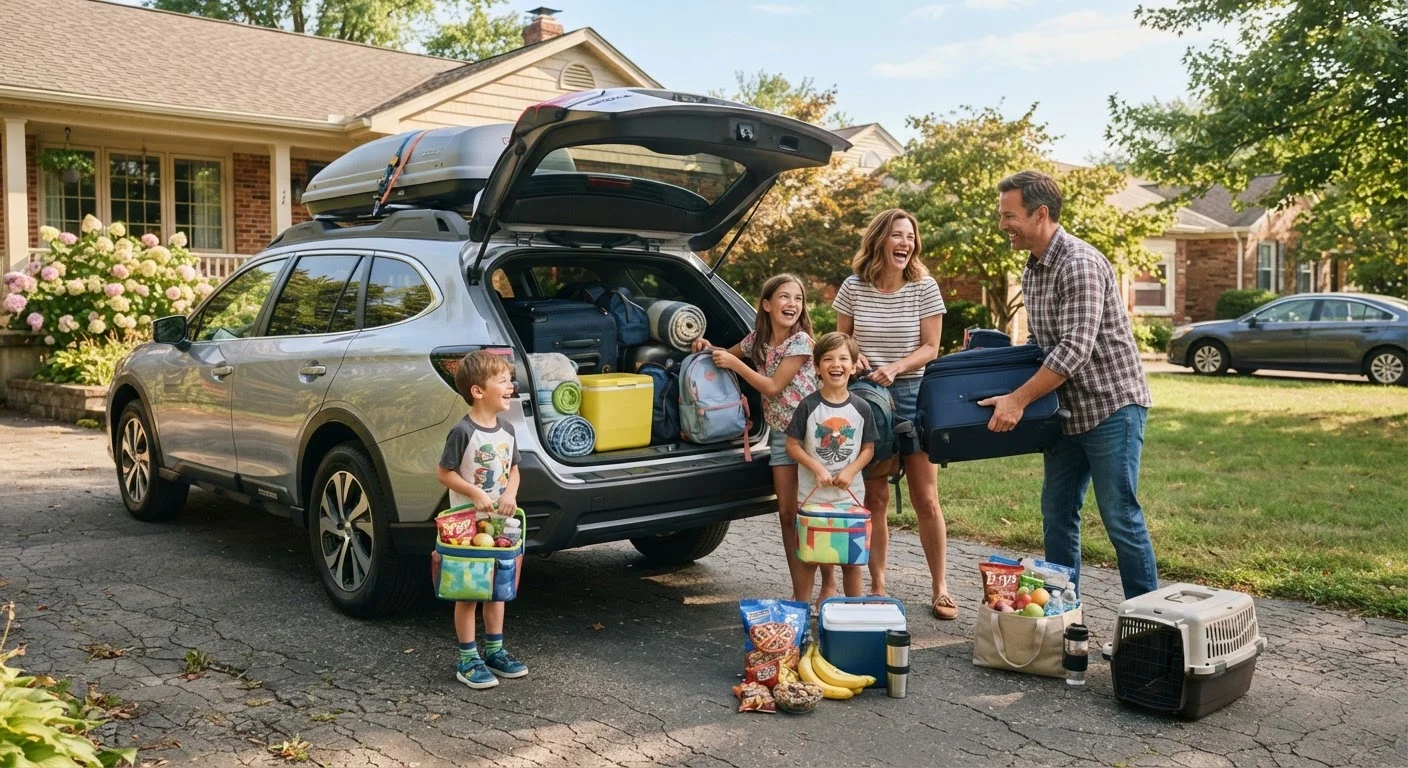
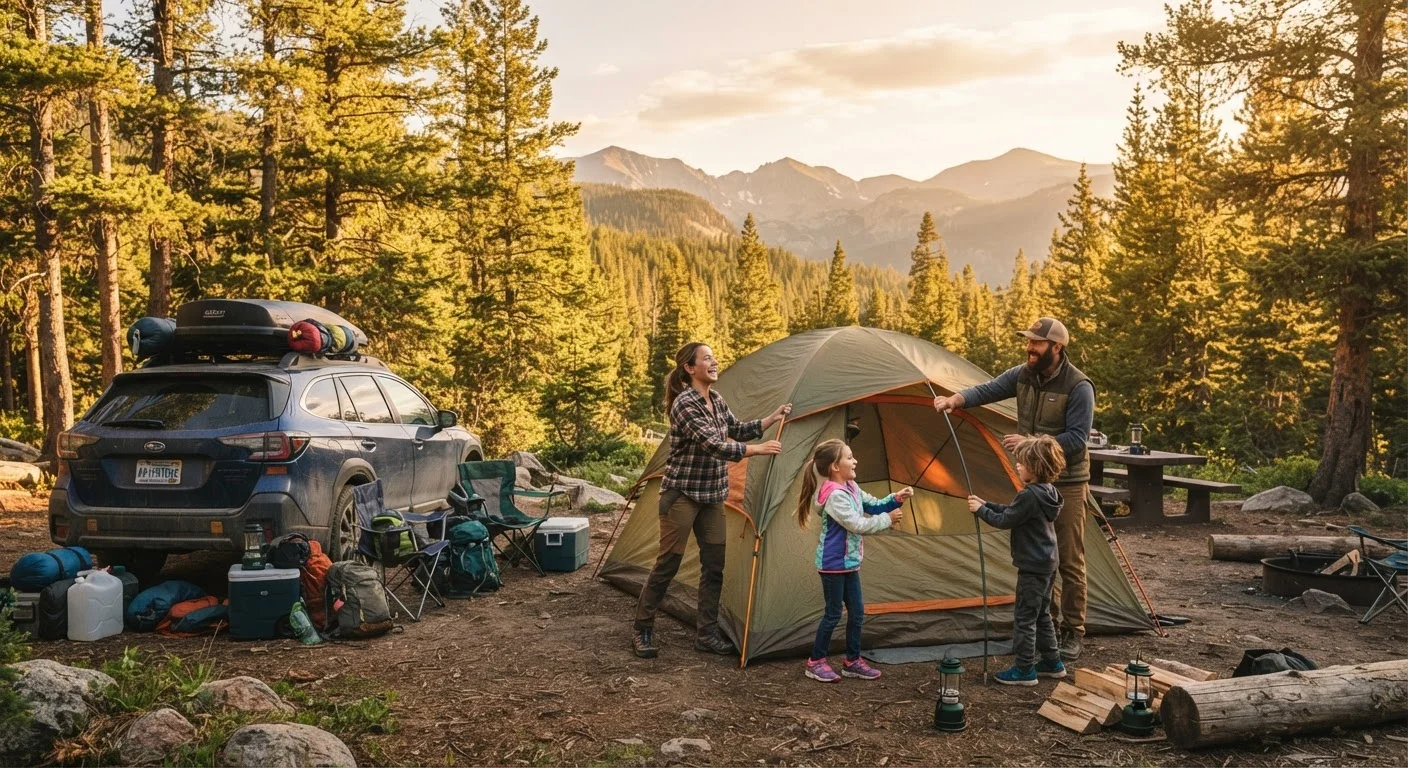
Option A
Camping
The immersive, budget-friendly outdoor experience.
Best for: Families who want nature immersion, flexible scheduling, and a lower nightly cost.
Option B
Hotels
The reliable, comfort-first lodging choice.
Best for: Families who prioritize convenience, predictable amenities, and easy kid routines.
The Real Cost Difference
Cost is usually the first thing families weigh, and camping does hold a genuine edge here. Campsite fees at state parks commonly run between $20 and $45 per night, while national park campgrounds vary widely but often fall in a similar range. Compare that to the average US hotel room, which can run $130 to $200 or more per night during summer travel season - and you're looking at a meaningful difference over a week-long trip.
That said, the camping math gets more complicated if your family is starting from scratch on gear. A quality tent, sleeping bags, a camp stove, and cooking supplies can represent a significant upfront cost. Families who already own gear or can borrow it will see the savings quickly. First-timers buying everything new may not break even until their second or third trip.
Hotels eliminate that gear overhead entirely, and their rates sometimes include breakfast or parking - costs that can sneak up on campers too. For a realistic look at how lodging fits into your total travel spend, see our guide on keeping a road trip budget from falling apart.
| Criterion | Camping | Hotels |
|---|---|---|
| Avg. nightly cost | $20-$45 (campsite fee) | $130-$200+ (room rate) |
| Upfront investment | Gear required if starting fresh | None beyond booking |
| Climate control | Weather-dependent | Heating and A/C standard |
| Kid amenities | Nature, campfire, open space | Pool, TV, cribs often available |
| Meal flexibility | Cook your own, save money | Restaurants or on-site dining |
| Reservation lead time | Months ahead for popular sites | More last-minute availability |
| Morning routine | Pack up, stow gear | Grab bags and go |
Comfort, Convenience, and Kid Logistics
Hotels make the daily rhythm of family travel predictable. Kids get a real bed, a bathroom nobody has to locate with a headlamp, and often a pool to burn off energy after a long day in the car. For families with younger children still in diapers or nap schedules, that structure matters.
Camping rewards families who are willing to lean into a little friction. The tradeoff for a rougher night is waking up to birdsong, cooking breakfast over a fire, and giving kids the kind of unstructured outdoor time that's genuinely hard to manufacture elsewhere. Many parents find that older kids - roughly 6 and up - take to camping enthusiastically once they get past the novelty anxiety.
Age and Gear Stage Really Matter
Families with kids under 4 often find camping physically demanding in ways that erode the fun - think nighttime wake-ups, cold-sensitive toddlers, and the logistics of diapering outdoors. Families with kids ages 6 to 14 tend to rate camping trips among their most memorable. If you're on the fence, a single-night 'test camp' close to home before committing to a full camping road trip is a low-risk way to gauge your family's readiness.
Weather is where camping's comfort equation shifts most dramatically. A hot, humid night in a tent without airflow, or a cold snap that your sleeping bags aren't rated for, can make for miserable kids and exhausted parents. Always check extended forecasts before committing to campsite-only nights on any stretch of your route.
If you're curious about how your lodging choice sits within the broader landscape of family accommodation options, vacation rentals vs. hotels is another comparison worth reviewing.
Planning Ahead: Reservations and Flexibility
Both options require more advance planning than most families expect. Popular campgrounds - especially inside national parks - book out months ahead during summer. The Recreation.gov reservation system opens spots far in advance, and arriving without a booking at a full campground is a genuine risk during peak season.
Hotels offer more last-minute flexibility in most corridors, though resort areas and popular tourist towns can fill up fast on weekends and holidays. The planning advantage shifts toward hotels if your family's route or timing is still evolving close to departure.
57M+
US households that camp annually
According to the Outdoor Foundation's annual participation report, camping remains one of the most widely practiced outdoor activities in America.
6 months
Advance booking window for top park campgrounds
High-demand campgrounds like those in Yosemite and Glacier routinely fill their reservation windows the moment they open, often 6 months out.
A practical middle path: reserve campsite nights at anchor locations like national parks well in advance, and leave hotel options more loosely planned for urban stopovers or weather backup nights. Before you finalize your route, our road trip myth-busting guide addresses the common assumption that reservations can always wait.
For families eyeing camping near major natural landmarks, our national vs. state parks comparison can help you decide where to anchor your itinerary.
The content provided on our blog site traverses numerous categories, offering readers valuable and practical information. Readers can use the editorial team’s research and data to gain more insights into their topics of interest. However, they are requested not to treat the articles as conclusive. The website team cannot be held responsible for differences in data or inaccuracies found across other platforms. Please also note that the site might also miss out on various schemes and offers available that the readers may find more beneficial than the ones we cover.