

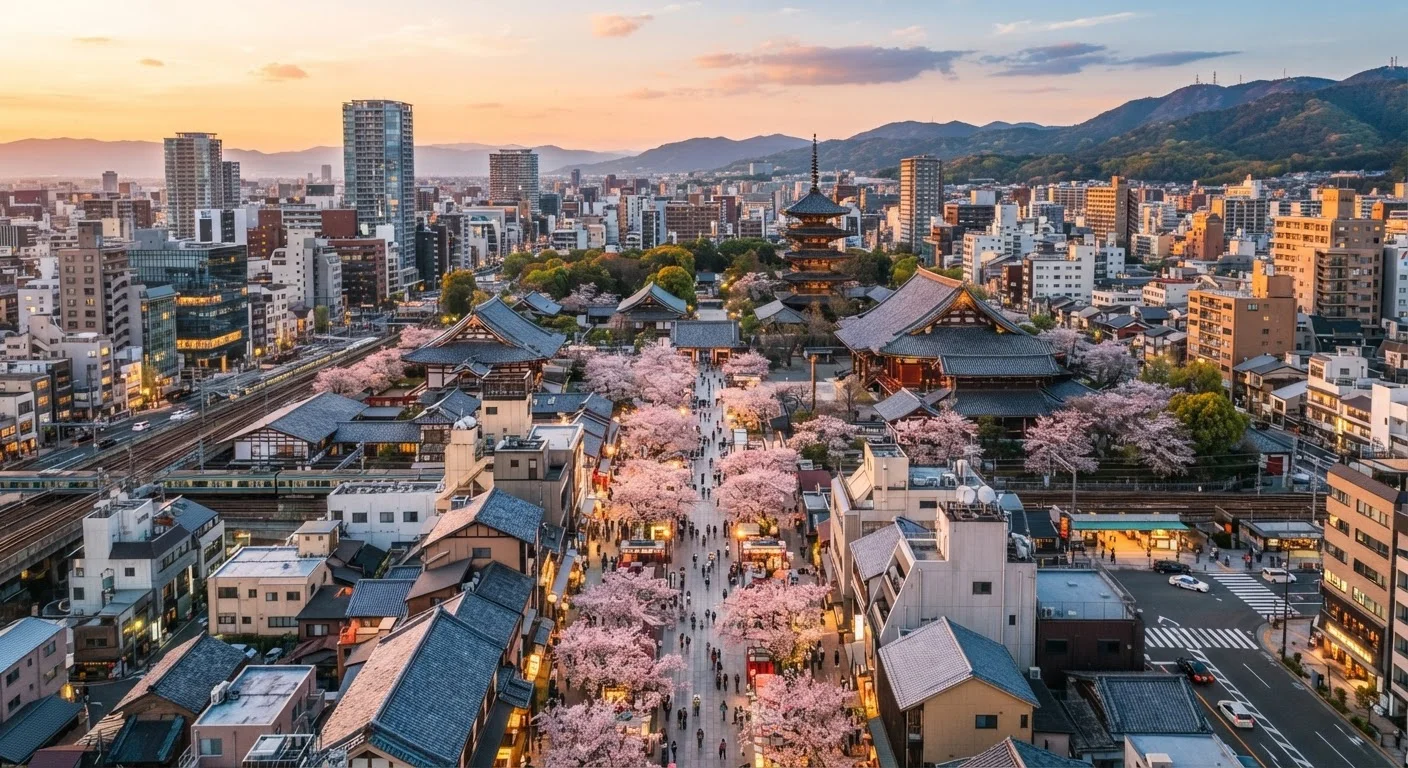
Why Japan Catches Western Families Off Guard
Japan consistently ranks among the most family-friendly destinations in Asia - and yet it reliably surprises first-time Western visitors in ways no travel brochure fully captures. The country is extraordinarily safe, clean, and organized, but it operates on cultural rhythms that are genuinely different from what most American families are used to. Getting ahead of those differences is what separates a smooth, memorable trip from an exhausting one.
If your family is taking its first international leap, it's worth reading our guide to introducing international travel to your family before diving into Japan-specific logistics. This article assumes you're moving past the basics and want to know what actually catches families off guard once they land.
Verify Entry Requirements Before You Book
Entry rules, visa requirements, and health documentation for Japan can change. The information in this article is general guidance only - always check the current official requirements through the Japanese Embassy or official government sources before purchasing flights or accommodations. Requirements for US citizens have shifted in recent years and may change again.
Getting Around: The Transit System Is Brilliant but Intimidating
Japan's rail network - especially the Shinkansen (bullet train) system - is legitimately one of the great travel experiences in the world. Trains run on time to the minute, carriages are quiet and spacious, and the coverage across major cities is extraordinary. But the scale and complexity of urban station systems like Tokyo's Shinjuku can feel genuinely overwhelming on arrival.
What to do before you fly:
What you will need
IC cards (Suica or Pasmo) function like rechargeable transit cards usable across most trains, buses, and even convenience store purchases. They eliminate the stress of buying individual tickets at unfamiliar machines. Japan Rail Passes, purchased before departure in the US, offer broad value for families covering multiple cities. Do the math based on your specific route - they're not automatic savings for every itinerary.
Use Coin Lockers to Travel Light
Major Shinkansen stations have coin-operated luggage lockers in multiple sizes. Store your large bags at the station and explore each city with just a day pack. This transforms transit days and lets families move freely through temples, markets, and neighborhoods without dragging rolling luggage up stairs.
Etiquette Norms That Matter More Than You'd Expect
Japan's social customs are not rigid rules designed to trap tourists - they reflect deeply held values around shared space and mutual respect. Families who learn a few basics find that locals respond with remarkable warmth and helpfulness.
A few norms worth knowing before you go:
- Shoes come off at the entrance to many traditional accommodations (ryokan), some restaurants, and certain historic sites. Slip-on footwear makes this much easier, especially with kids.
- Trains are quiet zones. Phone calls on trains are discouraged, and loud conversation is unusual. Kids should be gently coached on this before boarding.
- Eating while walking is generally frowned upon in most contexts - enjoy street food at the stall, not mid-stride.
- Cash still matters. Japan is more cash-dependent than the US, especially at smaller restaurants, temples, and local markets. Withdraw yen from 7-Eleven or Japan Post ATMs, which reliably accept foreign cards.
Overpacked itineraries are one of the most predictable ways family trips fall apart. See our guide to common family vacation pitfalls for a broader look at what derails otherwise well-planned trips.
Food, Pacing, and What Families Actually Experience
Fear of unfamiliar food is common, but Japan is one of the easiest countries for food-anxious families. Ramen, sushi, tempura, udon, onigiri, and karaage (Japanese fried chicken) are universally loved by kids. Convenience stores like 7-Eleven and FamilyMart stock hot meals, sandwiches, and snacks at remarkably high quality. Most menus feature plastic food displays or photos, making ordering manageable even without Japanese language skills.
On pacing: Japan rewards slow itineraries. Trying to cover Tokyo, Kyoto, Osaka, and Hiroshima in eight days with children sounds achievable on paper and is genuinely brutal in practice. Three to four days per region allows for the kind of wandering - through covered shopping streets, temple gardens, and neighborhood parks - that produces the memories families actually carry home.
Don't Underestimate Walking Distances
Japan's transit maps can be deceptive - 'nearby' stations sometimes involve 15-20 minute walks, and major sites like Fushimi Inari or Arashiyama require sustained walking on uneven terrain. Factor this into daily planning, especially if traveling with toddlers or stroller-dependent children. Comfortable, well-broken-in shoes are non-negotiable.
For families working within a budget, Japan is not a bargain destination, but it's also not as expensive as many assume if you stay strategic. Our family travel budget framework offers a practical starting point for estimating realistic costs and identifying where to spend versus save.
The content provided on our blog site traverses numerous categories, offering readers valuable and practical information. Readers can use the editorial team’s research and data to gain more insights into their topics of interest. However, they are requested not to treat the articles as conclusive. The website team cannot be held responsible for differences in data or inaccuracies found across other platforms. Please also note that the site might also miss out on various schemes and offers available that the readers may find more beneficial than the ones we cover.