

Why Ownership Habits Matter More Than the Purchase
Most families spend significant time choosing a vehicle but far less time thinking about how they'll manage it afterward. Yet the decisions made during ownership - how diligently maintenance is tracked, whether insurance coverage is reviewed annually, how promptly registration is renewed - have a direct impact on both safety and long-term cost.
Responsible ownership isn't about perfection. It's about building a small set of consistent habits that prevent expensive surprises. For a fuller picture of what a vehicle actually costs per year, see our guide to the real costs of owning a car.
“The most expensive car repair is usually the one you could have seen coming. Documentation and consistency are the two things that separate owners who are surprised by costs from those who aren't.”
— Automotive Industry Advisory, General guidance from professional automotive service educators
Core Practices Every Car Owner Should Follow
The following practices are grounded in guidance from automotive professionals and safety organizations. They apply to virtually every household vehicle, regardless of age or mileage.
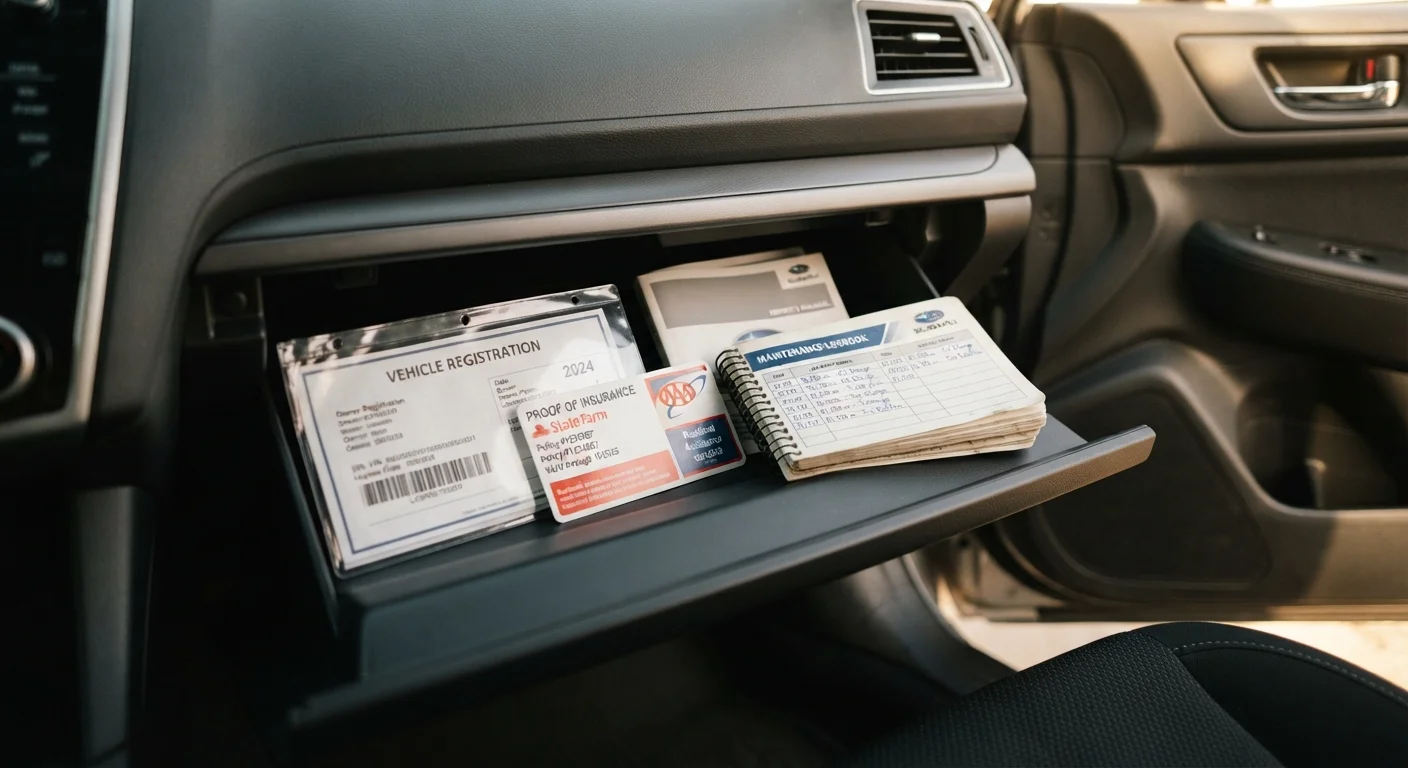
Maintain a written or digital service log for every maintenance event.
A service log creates an auditable history that protects resale value, helps you stay on schedule with manufacturer-recommended intervals, and provides documentation if a warranty dispute arises. Without records, it's easy to lose track of when key services - such as transmission fluid changes or coolant flushes - were last completed.
Review your auto insurance coverage at least once a year.
Your coverage needs shift as your vehicle ages and your circumstances change. Carrying comprehensive and collision coverage on a vehicle worth very little may cost more annually than the vehicle's actual cash value - while being underinsured on a newer car exposes you to significant out-of-pocket risk. Annual reviews help you stay appropriately covered. For more on what drives your premium, see why your car insurance premium changes.
Renew registration on time and keep the title accurate.
Expired registration is a common and avoidable fine that can also complicate insurance claims or a future sale. Title inaccuracies - such as a lien that was never formally released - can delay or prevent a sale and create legal liability.
Follow your owner's manual for service intervals, not habit or rumor.
Many drivers follow outdated rules - such as changing oil every 3,000 miles - that don't apply to modern vehicles and lead to unnecessary spending. Manufacturer-specified intervals are based on engineering testing and real-world conditions specific to your engine. Following them protects your warranty and avoids both over-servicing and neglect. Common maintenance myths can quietly drain family budgets.
Monitor battery health before it fails, not after.
Most car batteries fail without much warning, and a dead battery at the wrong moment can be both costly and dangerous. Proactively checking battery health - especially before extreme weather seasons - prevents roadside emergencies.
Quick Actions You Can Take Today
You don't need to overhaul your routine all at once. A few targeted steps taken today can close the most common ownership gaps immediately.
The Numbers Behind Good Ownership
Data from industry sources and safety organizations consistently reinforce why these habits matter financially and practically.
~$1,200
Average annual car maintenance and repair cost per vehicle
AAA estimates that US drivers pay roughly $1,200 per year in maintenance and repair costs on average, with neglected vehicles trending significantly higher.
15-25%
First-year depreciation for a typical new vehicle
Industry analyses consistently show most new vehicles lose between 15 and 25 percent of their value within the first 12 months of ownership.
3-5 years
Typical car battery lifespan
Most automotive manufacturers and battery suppliers cite a three-to-five-year service life under normal conditions, with extremes of heat or cold shortening that range.
Depreciation compounds the stakes: vehicles that lack service documentation typically lose more resale value than those with a clear maintenance history. For a deeper look at how value erodes over time, understanding car depreciation is essential reading before your next ownership decision.
If you're newer to car ownership and want a grounded starting point for routine care, Car Ownership for First-Timers walks through service intervals and owner's manual basics in plain language.
The content provided on our blog site traverses numerous categories, offering readers valuable and practical information. Readers can use the editorial team’s research and data to gain more insights into their topics of interest. However, they are requested not to treat the articles as conclusive. The website team cannot be held responsible for differences in data or inaccuracies found across other platforms. Please also note that the site might also miss out on various schemes and offers available that the readers may find more beneficial than the ones we cover.