

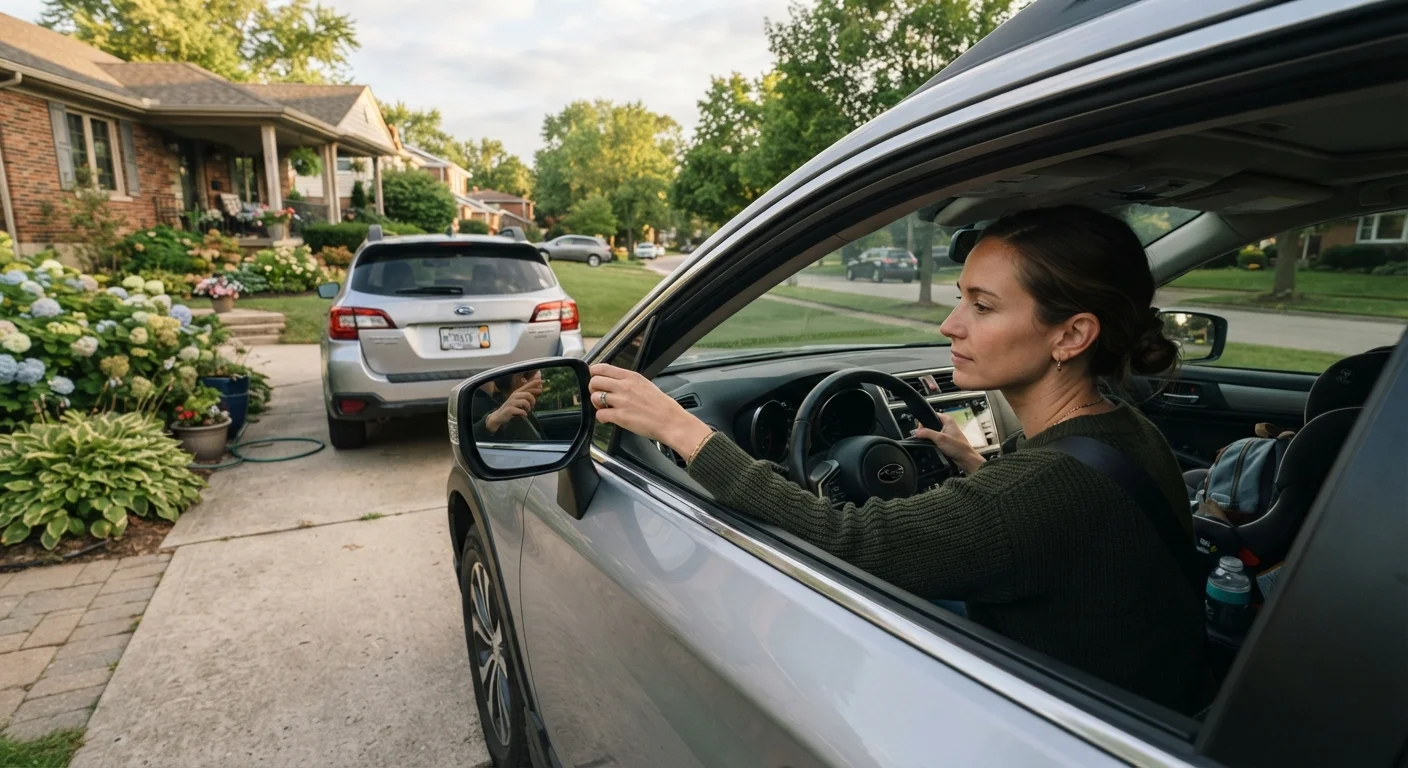
Why Good Intentions Don't Survive the Morning Commute
Most drivers already know the basics: don't speed, don't use your phone, wear your seatbelt. The problem isn't knowledge - it's consistency. Safety advice tends to fade quickly once familiar roads and daily pressure take over. Building habits that genuinely stick requires more than reading a list of rules. It requires understanding how habits form and designing your driving environment to support better choices automatically.
Research on behavior change consistently shows that cues, routines, and small friction reductions do more to lock in a habit than willpower alone. The same principles that apply to building a lasting fitness habit - showing up regularly rather than relying on effort spikes - apply directly to driving behavior. The practices below are built on that logic.
Complete a consistent pre-drive setup before every trip, no matter how short.
Adjusting mirrors, confirming seat position, and silencing your phone takes under 60 seconds but eliminates several common distraction and visibility errors before they can occur. Skipping this step on familiar routes is one of the most common ways drivers introduce preventable risk.
Maintain at least a three-second following distance from the vehicle ahead.
Rear-end collisions are among the most common crash types, and the majority are caused by following too closely for stopping conditions. A three-second gap gives your brain time to perceive a hazard and your foot time to respond - and that minimum should increase in poor weather or at highway speeds.
Scan intersections actively, even on a green light.
Red-light violations and intersection misjudgments cause a disproportionate share of serious crashes. A green signal tells you it's your legal turn to go - it doesn't confirm the path is clear. Briefly scanning left, center, and right before committing to an intersection takes a fraction of a second and catches violations before they become collisions.
Put your phone completely out of reach before starting the engine.
Distracted driving from phone use is consistently identified as a major contributing factor in crashes and near-misses. The key word is 'reach' - phones resting on the seat or console are still tempting. Physical distance is far more effective than relying on willpower to ignore a notification while driving.
Signal your intentions early and consistently, including in parking lots.
Turn signals exist to give other road users time to respond - but they only work if used early enough to be useful. Late or absent signaling contributes to lane-change crashes and is a frequent complaint in driving behavior studies. Applying this habit in low-speed environments like parking lots reinforces consistency.
Adjust speed to conditions, not just the posted limit.
Posted speed limits represent a legal maximum under ideal conditions - not a recommended speed for rain, fog, heavy traffic, or road construction. Driving at the limit in poor conditions is a common contributing factor to loss-of-control crashes. Drivers who understand this distinction make better speed decisions automatically.
Core Practices for Reliable Safe Driving
These habits are most effective when treated as non-negotiable pre-conditions for driving - not optional extras to apply when conditions seem dangerous. Many serious crashes occur in familiar, low-stress environments precisely because drivers underestimate routine routes.
For families with teen drivers, modeling these habits aloud matters. Narrating what you're checking and why helps newer drivers internalize the reasoning, not just the rule. See our guide to teen drivers and graduated licensing for stage-by-stage reinforcement strategies.
Making the Habits Automatic Over Time
Habits become reliable when they're attached to existing triggers. Linking your pre-drive check to the act of buckling your seatbelt - something you already do - is more effective than trying to remember a separate mental checklist. Over time, the sequence becomes automatic.
Attach New Habits to Existing Ones
Behavior researchers call this 'habit stacking' - linking a new action to something you already do reliably. Try attaching your pre-drive phone-silencing step to the specific moment you buckle your seatbelt. After a few weeks, one action will automatically prompt the other, removing the need to remember separately.
Weather and road conditions require habit flexibility. A following distance that's safe on dry pavement may be dangerously short on wet or icy roads. Our guide on driving in rain, snow, and fog explains how to adjust your baseline habits for changing conditions. Similarly, defensive driving principles offer a broader mindset framework that complements the specific habits covered here.
For a comprehensive view of family driving safety across all situations, the complete family safe driving reference covers vehicle readiness, road rules, and passenger safety in one place.
The content provided on our blog site traverses numerous categories, offering readers valuable and practical information. Readers can use the editorial team’s research and data to gain more insights into their topics of interest. However, they are requested not to treat the articles as conclusive. The website team cannot be held responsible for differences in data or inaccuracies found across other platforms. Please also note that the site might also miss out on various schemes and offers available that the readers may find more beneficial than the ones we cover.