

Why the Distinction Between Added and Natural Sugar Matters
When a child eats an apple, the natural sugars arrive alongside fiber, water, vitamins, and antioxidants. That fiber slows digestion and helps moderate the rate at which sugar enters the bloodstream. When the same amount of sugar is stirred into a flavored drink, it arrives alone-no fiber, no micronutrients, just calories. That difference in nutritional context is why health researchers and dietary guidelines treat added and natural sugars separately.
The concern is not that sweetness itself is harmful, but that added sugars displace more nutritious foods in the diet while contributing to higher overall calorie intake. Research published in major nutrition journals associates chronically high added-sugar consumption with increased risk of weight gain, dental cavities, and certain metabolic conditions-though dietary patterns as a whole, rather than any single ingredient, drive long-term health outcomes.
Common family nutrition missteps often involve underestimating added sugar intake, partly because it hides behind health-sounding labels.
Natural sweeteners still count as added sugar
Honey, maple syrup, agave nectar, coconut sugar, and date syrup are all classified as added sugars by the FDA and contribute to daily totals just as table sugar does. While these sweeteners may carry cultural or culinary appeal, they do not offer a meaningful nutritional advantage over white sugar in the amounts typically used in food products. The 'Added Sugars' line on a nutrition label captures all of them.
Where Added Sugar Actually Hides
Candy and soda are obvious sources, but they account for only a portion of the added sugar most families consume. Sweetened beverages-including sports drinks, flavored milks, fruit-flavored drinks, and sweetened coffees-are consistently identified as the leading source of added sugar in the U.S. diet across age groups.
Beyond beverages, significant amounts appear in:
- Flavored yogurts, which can contain as much added sugar as a dessert item
- Breakfast cereals, including many marketed to children
- Granola and granola bars, often perceived as wholesome
- Tomato-based sauces and condiments like ketchup and barbecue sauce
- Bread and crackers, particularly mass-produced varieties
- Salad dressings and marinades
Added sugars appear on ingredient lists under more than 60 different names. Terms like dextrose, maltose, evaporated cane juice, fruit juice concentrate, corn syrup solids, and brown rice syrup all refer to added sugars. Our guide to reading nutrition labels with kids walks through how to spot these on a grocery run.
17 tsp
Average daily added sugar intake for U.S. adults
According to CDC data, U.S. adults consume roughly 17 teaspoons of added sugar per day on average-well above the recommended ceiling of about 12 teaspoons.
~39g
Added sugar in a 12-oz cola
A single standard can of cola typically contains around 39 grams of added sugar, which exceeds the American Heart Association's full daily recommendation for children aged 2-18.
60+
Names for added sugar on ingredient lists
The Sugar Science project at the University of California San Francisco has identified more than 60 names under which added sugars appear on food ingredient labels.
Current Guidance and What It Means for Families
The 2020-2025 Dietary Guidelines for Americans recommend that added sugars make up less than 10% of total daily calories. For a person consuming 2,000 calories, that translates to about 50 grams-roughly 12 teaspoons-per day. The American Heart Association sets a lower bar of 25 grams daily for children ages 2-18 and recommends avoiding added sugar entirely for children under 2.
To put those numbers in context: a single 12-ounce can of a typical cola contains about 39 grams of added sugar, which would exceed the daily child limit in one serving.
These guidelines are public health benchmarks, not rigid rules that need to be tracked obsessively. A more practical approach for most families is building awareness of the highest-concentration sources and making gradual substitutions-swapping sweetened beverages for water or plain milk, choosing plain yogurt with fresh fruit, or comparing cereal labels side by side. Even modest reductions in the highest-sugar items tend to move a family's intake closer to recommended ranges.
Understanding how different snacks affect children's energy levels can also motivate practical changes-high-sugar snacks often contribute to the energy crashes parents notice in the afternoon.
Start with beverages for the fastest impact
Sweetened drinks are the single largest source of added sugar for most U.S. families. Replacing just one sweetened beverage per day per family member with water or plain milk is one of the highest-leverage changes a household can make. It requires no special ingredients and reduces added sugar intake more reliably than cutting sweets from meals.
A Realistic Approach for Busy Households
Reducing added sugar does not require eliminating every sweet food or monitoring grams at every meal. Research on dietary behavior suggests that all-or-nothing restrictions can backfire, particularly with children, by increasing the appeal of restricted foods. A more sustainable model focuses on shifting patterns over time rather than achieving perfection at each meal.
Practical starting points include:
- Making water and plain milk the default beverages at home
- Reading the Added Sugars line on the nutrition label before buying packaged foods marketed as healthy
- Reserving high-sugar items as occasional foods rather than daily staples
- Using whole fruit to add sweetness to oatmeal, yogurt, or smoothies
Pairing this awareness with a broader understanding of refined versus whole-grain carbohydrates is also useful-our explainer on whole grains versus refined grains covers how these choices work together in a balanced family diet.
This article is for general informational and educational purposes only and is not a substitute for professional medical or nutritional advice. Consult a qualified healthcare provider or registered dietitian for guidance tailored to your family's specific health needs.
Frequently Asked Questions
Natural sugars occur inherently in whole foods-lactose in milk, fructose in fruit-and come packaged with fiber, protein, and micronutrients that affect how the body processes them. Added sugars are introduced during manufacturing or cooking and provide calories without those accompanying nutrients. The body processes both types of sugar similarly at a molecular level, but the nutritional context around them differs significantly.
The American Heart Association recommends that children aged 2-18 consume no more than 25 grams (about 6 teaspoons) of added sugar per day, and that children under 2 avoid added sugar altogether. These are general public health guidelines, not individualized prescriptions-speak with your child's pediatrician for guidance specific to your child's needs.
Honey, maple syrup, agave, and similar sweeteners are all classified as added sugars and count toward daily limits just as table sugar does. While they may contain trace minerals or antioxidants, the quantities present in typical serving sizes are nutritionally insignificant. From a sugar-intake perspective, they are broadly equivalent to white sugar.
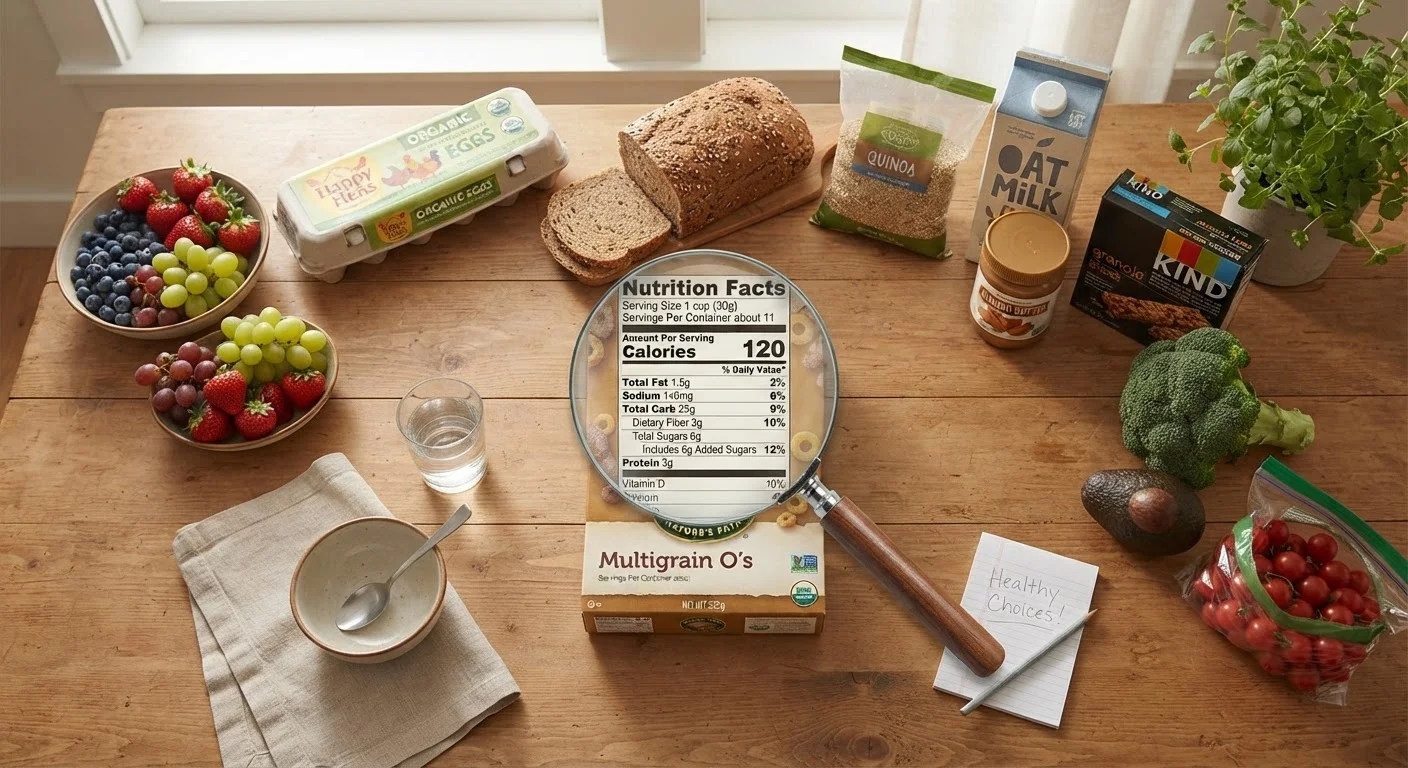
Look under the "Total Sugars" line on the Nutrition Facts panel-"Added Sugars" appears directly below it in grams and as a % Daily Value. You can also scan the ingredient list for the many names added sugars go by, including corn syrup, dextrose, maltose, cane juice, and fruit juice concentrates.
100% fruit juice contains naturally occurring sugars and is not classified as added sugar on labels, but it also lacks the fiber found in whole fruit. Fruit juice concentrates used as sweeteners in other products do count as added sugar. Nutrition experts generally recommend whole fruit over juice for children when possible.
The content provided on our blog site traverses numerous categories, offering readers valuable and practical information. Readers can use the editorial team’s research and data to gain more insights into their topics of interest. However, they are requested not to treat the articles as conclusive. The website team cannot be held responsible for differences in data or inaccuracies found across other platforms. Please also note that the site might also miss out on various schemes and offers available that the readers may find more beneficial than the ones we cover.