

Our Verdict
Neither spaying nor neutering is universally 'better' - they are different procedures serving different biological situations. Timing and individual factors (breed, size, sex, lifestyle) meaningfully influence health outcomes. The strongest guidance available is to have an informed, individualized conversation with your veterinarian rather than defaulting to a blanket age rule.
| Best for | Recommended |
|---|---|
| Owners of small-breed dogs or cats with no specific breed-related risk data | Traditional timing (around 6 months) may remain appropriate - confirm with your vet |
| Owners of large- or giant-breed dogs | Delayed sterilization (12-24 months) may reduce orthopedic and cancer risks - discuss breed-specific data with your vet |
| Owners prioritizing population control and uterine disease prevention | Spaying before first heat significantly reduces pyometra and mammary tumor risk in most female dogs |
| Owners weighing hormone-related behavioral concerns in male dogs | Neutering reduces roaming, marking, and some aggression - timing discussion with a vet is still advised |
What Each Procedure Actually Involves
The terms are sometimes used interchangeably in casual conversation, but spaying and neutering are distinct surgeries. Spaying (ovariohysterectomy) involves the surgical removal of a female animal's ovaries and uterus under general anesthesia. Some veterinarians now perform ovariectomy - removing the ovaries only - though both approaches eliminate estrogen and progesterone production. Neutering (orchiectomy) involves the removal of a male animal's testes, eliminating testosterone production.
Both procedures are performed routinely in veterinary clinics across the US and are considered low-risk for healthy animals. Recovery typically spans one to two weeks. Because both eliminate the primary source of sex hormones, they affect far more than reproduction - hormones influence bone development, joint health, metabolism, immune function, and behavior throughout an animal's life.
For a broader look at what to expect during routine veterinary procedures, see your dog's annual wellness visit.
What the Research Says About Timing
For decades, the standard recommendation in the US was to spay or neuter dogs around six months of age. That guidance is now more nuanced. A growing body of research - including studies from UC Davis on golden retrievers, Labrador retrievers, and other breeds - has found that early removal of sex hormones may be associated with increased risk of certain joint disorders (such as hip dysplasia and cranial cruciate ligament tears) and some cancers in specific breeds, particularly large and giant breeds.
The evidence does not point to one universally correct age. Instead, it highlights that breed, sex, and body size interact with timing in meaningful ways. For small-breed dogs and cats, traditional timing around six months generally carries fewer documented tradeoffs. For large-breed dogs - particularly those with known orthopedic predispositions - many veterinarians now discuss delaying the procedure until skeletal maturity, often 12 to 24 months.
| Spaying (Female) | Neutering (Male) | |
|---|---|---|
| Procedure | Removes ovaries and uterus (or ovaries only) | Removes both testes |
| Hormones eliminated | Estrogen and progesterone | Testosterone |
| Key health benefit | Eliminates pyometra; reduces mammary tumor risk | Eliminates testicular cancer; reduces prostate enlargement |
| Potential tradeoff (large breeds) | Possible increased orthopedic risk if done early | Possible increased orthopedic or cancer risk if done early |
| Traditional timing (US) | Around 6 months | Around 6 months |
| Timing consideration (large breeds) | Discuss delaying to 12-24 months with vet | Discuss delaying to 12-24 months with vet |
| Behavioral effect | Eliminates heat cycles; may reduce some aggression | Reduces roaming, marking, and mounting behaviors |
This is an actively evolving area of research. What was considered settled advice a decade ago is being refined, which is why individualized veterinary guidance matters more than ever.
~23%
Reduced mammary tumor risk with early spaying
Spaying before the first heat cycle is associated with a significantly reduced lifetime risk of mammary tumors in dogs, according to veterinary oncology research.
25%
Of intact female dogs develop pyometra
Veterinary estimates suggest roughly 1 in 4 intact female dogs will develop pyometra - a serious uterine infection - by age 10.
Health Benefits and Tradeoffs Side by Side
Both procedures offer documented health advantages. Spaying before a female dog's first heat cycle substantially reduces the lifetime risk of mammary tumors and eliminates the risk of pyometra, a serious and potentially life-threatening uterine infection. Neutering males eliminates testicular cancer and reduces the risk of benign prostatic hyperplasia.
On the tradeoff side, research has associated early gonadectomy in some breeds with modestly elevated risks of certain orthopedic conditions, some hormone-sensitive cancers (such as hemangiosarcoma in specific breeds), and a tendency toward weight gain due to metabolic changes. Obesity risk is manageable through diet and exercise but warrants proactive attention after either procedure.
Weight Gain After Surgery Is a Real Risk
Both spaying and neutering alter hormone levels in ways that can slow metabolism and increase appetite. Without dietary adjustment, many pets gain weight in the months following surgery. Talk to your veterinarian about appropriate portion sizes and activity levels post-procedure, and monitor body condition regularly. Obesity carries its own set of serious health consequences in dogs and cats.
It's worth noting that intact animals carry their own risks - unwanted pregnancies, pyometra, mammary tumors, and testicular cancer among them - and that population management remains a significant public health concern for animal shelters. These factors belong in any honest weighing of the decision.
Questions to Bring to Your Veterinarian
Because the right decision depends on your individual animal, the most useful thing an owner can do is arrive at the vet appointment informed and ready to ask specific questions. Consider discussing:
- Breed-specific risk data - Has your breed been studied in relation to sterilization timing? Some breeds have published guidelines; others don't yet have strong data.
- Your dog's lifestyle - An intact male with outdoor access or around intact females carries different risks than a closely supervised indoor dog.
- Your dog's current health - Pre-existing conditions may influence anesthetic risk or recovery.
- Behavioral considerations - Neutering reduces some hormonally-driven behaviors (roaming, marking, certain aggression) but is not a substitute for training.
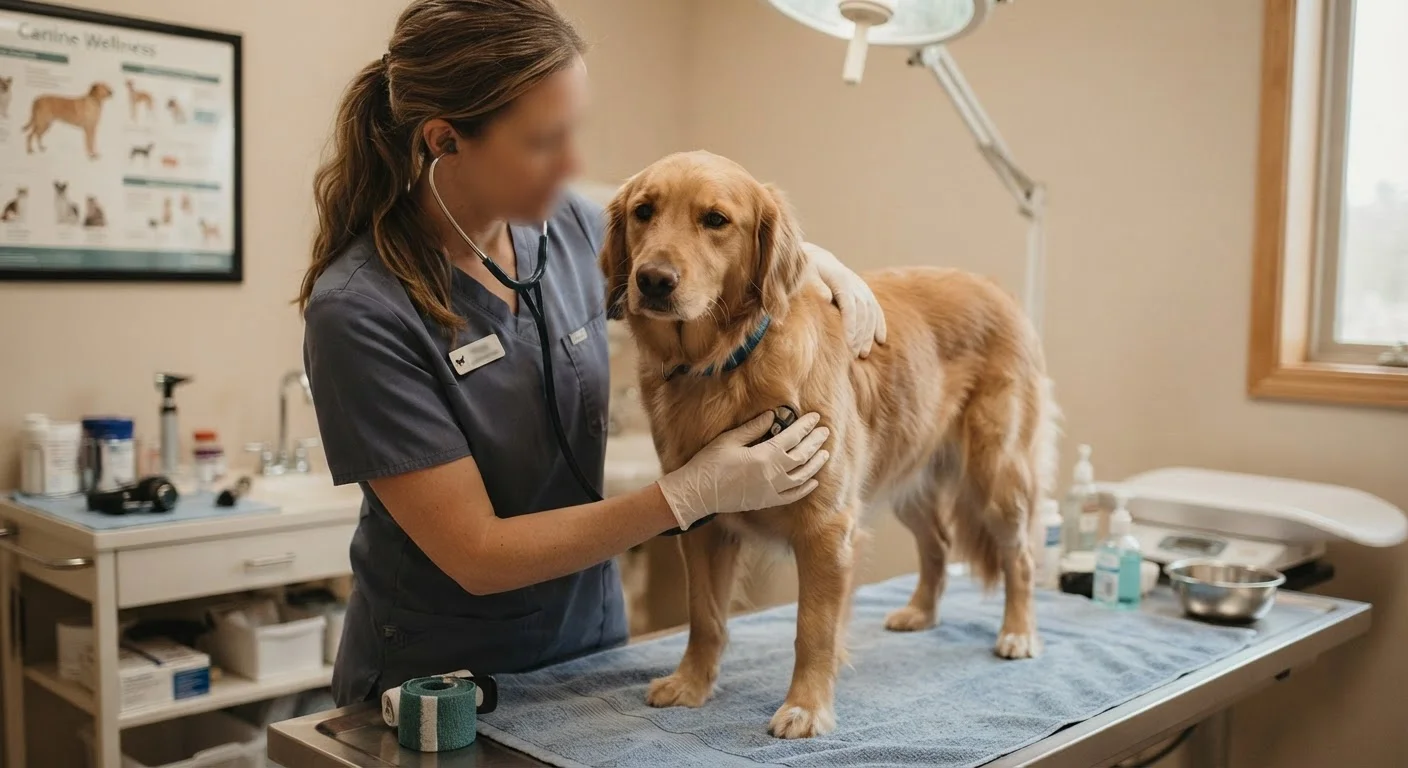
Your annual wellness visit is an ideal time to revisit this conversation as your dog ages. Learn what to prepare for your dog's yearly checkup to make the most of that appointment. Cat owners can also find guidance in our overview of what to expect at the annual vet visit.
Prepare a Health History Before Your Appointment
Before discussing sterilization timing with your vet, gather your dog's breed information, growth trajectory, and any notable health observations. If your dog is a mixed breed, ask about the likely dominant breed components - size and breed background both influence the conversation. The more information your vet has, the more tailored their guidance can be.
This article provides general educational information about veterinary procedures and is not a substitute for personalized advice from a licensed veterinarian. Always consult your vet before making health decisions for your pet.
The content provided on our blog site traverses numerous categories, offering readers valuable and practical information. Readers can use the editorial team’s research and data to gain more insights into their topics of interest. However, they are requested not to treat the articles as conclusive. The website team cannot be held responsible for differences in data or inaccuracies found across other platforms. Please also note that the site might also miss out on various schemes and offers available that the readers may find more beneficial than the ones we cover.