

Summary
22 items · 20-40 minutes
Why the Annual Exam Is More Than a Vaccine Appointment
Many cat owners schedule the yearly vet visit primarily to keep vaccinations current - and then feel mildly surprised when the appointment stretches well beyond a quick shot. That's by design. A feline wellness exam is a systematic health audit, and the vaccine component is just one piece of it.
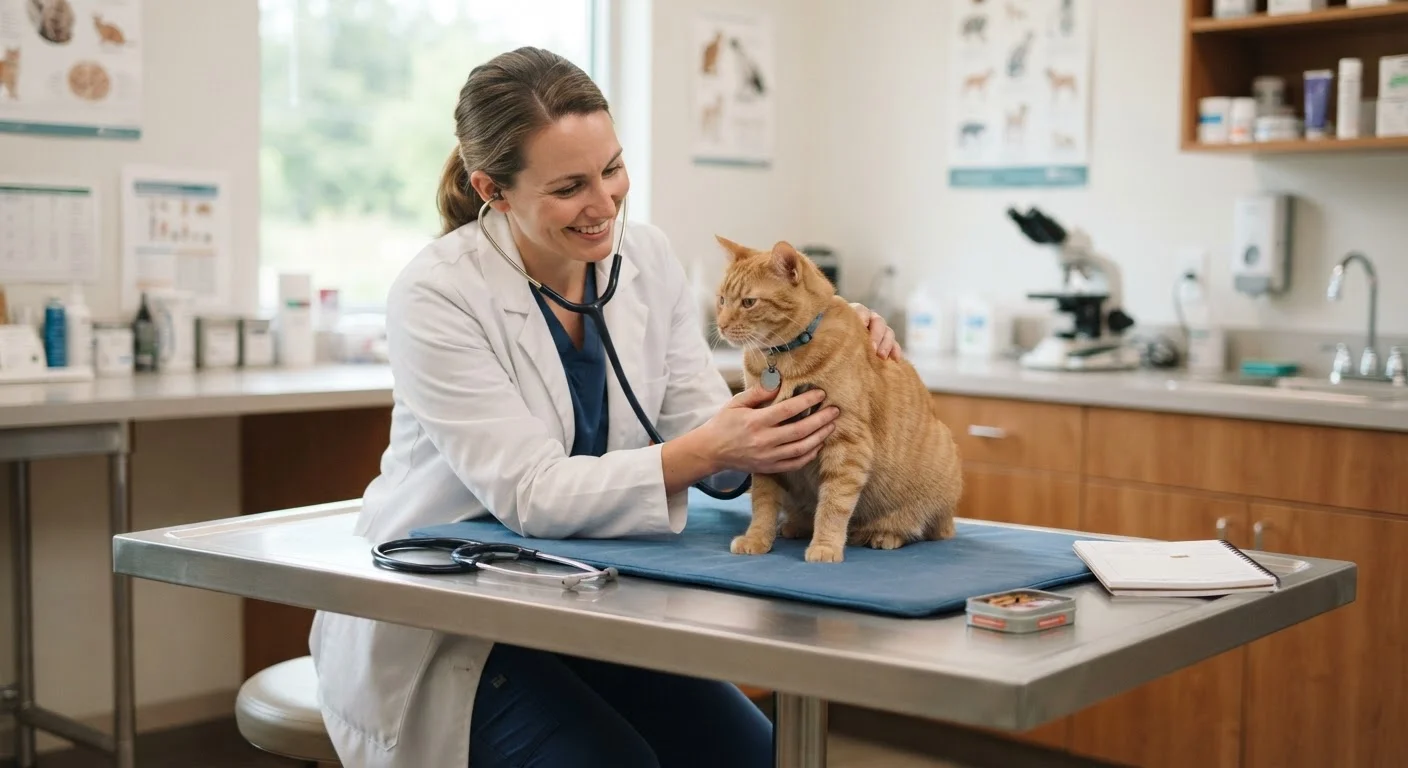
During a standard annual visit, a veterinarian typically evaluates your cat's weight and body condition score, listens to heart and lung sounds, palpates the abdomen, checks lymph nodes, examines eyes, ears, and skin, and assesses dental health. Behavioral changes you've noticed at home are just as diagnostically valuable as anything the vet can observe in the clinic, which is why preparation on your end genuinely improves the quality of care your cat receives.
For context on how a feline wellness visit compares with a canine one, see what happens at a dog's annual wellness visit. The structure is similar, but cats have distinct physiological needs and stress responses that shape how the exam unfolds.
Use the checklist below to arrive prepared, ask the right questions, and leave with a clear picture of your cat's health status.
Carrier with Top-Loading Access
A top-loading carrier lets the vet examine your cat without forcing them out of the bottom, reducing stress significantly.
Written Notes or Health Log
A simple notebook or notes app where you record behavioral and physical observations throughout the year.
Smartphone with Video Capability
Capture intermittent symptoms like a limp or unusual vocalization that may not appear during the clinical exam.
Vaccine and Medical Records File
A dedicated folder (physical or digital) storing previous exam summaries, vaccine certificates, and test results.
Stool Sample Container
A sealed, clean container for collecting a fresh fecal sample when parasite screening has been recommended.
Checklist: What to Prepare Before the Visit
Preparation takes 20-40 minutes but pays off significantly in the exam room. Use this checklist in the days leading up to the appointment.
Records to Gather
Health Observations to Document
Questions to Ask Your Vet
Logistics and Carrier Prep
Don't Wait for Obvious Symptoms in Cats
Cats are instinctively skilled at masking pain and illness - a trait rooted in survival instincts. By the time a health problem becomes visually obvious, it may already be advanced. Subtle cues like slightly reduced activity, a minor change in coat texture, or less enthusiasm at mealtimes can be early signals worth flagging at the annual visit. Your home observations are often more diagnostically valuable than a single clinic exam.
Dental health is one of the most commonly overlooked aspects of feline wellness. Learn what to watch for at home in our guide to cat dental health for owners. Additionally, if vaccines are on the agenda, our overview of core vs. non-core cat vaccines can help you have a more informed conversation with your vet about what's truly necessary for your cat's lifestyle and risk level.
Senior Cats Need More Frequent Checkups
Cats are generally considered senior at around age 11 and geriatric at 15 or older. Because age-related conditions such as hyperthyroidism, chronic kidney disease, and dental disease can progress rapidly in older cats, most veterinarians recommend twice-yearly wellness exams for cats in their senior years - not just annual visits. If your cat is 11 or older, discuss a more frequent monitoring schedule with your veterinarian.
What Happens During the Exam Itself
Knowing the sequence of the exam can ease anxiety - for you and your cat. Most wellness visits follow a predictable flow: a technician records weight and temperature, then the veterinarian performs the physical exam head-to-tail before discussing findings and recommendations.
Pay attention when the vet narrates findings aloud - they often comment on things like a slight heart murmur, early tartar accumulation, or a small lump that warrants monitoring. These observations are most useful when you follow up on them. Ask what to watch for at home, under what circumstances you should call sooner than the next annual visit, and what the recommended timeline is for any recheck.
If your cat shows signs of fear or stress in the carrier or during the exam, mention it. Some practices offer low-stress or Fear Free handling techniques, and your vet may have suggestions for reducing clinic anxiety. Understanding your cat's body language signals before the visit can help you describe their stress responses more accurately to the vet.
This article is for general informational purposes only and does not constitute veterinary medical advice. Always consult a licensed veterinarian for guidance specific to your cat's health needs.
The content provided on our blog site traverses numerous categories, offering readers valuable and practical information. Readers can use the editorial team’s research and data to gain more insights into their topics of interest. However, they are requested not to treat the articles as conclusive. The website team cannot be held responsible for differences in data or inaccuracies found across other platforms. Please also note that the site might also miss out on various schemes and offers available that the readers may find more beneficial than the ones we cover.