

Our Verdict
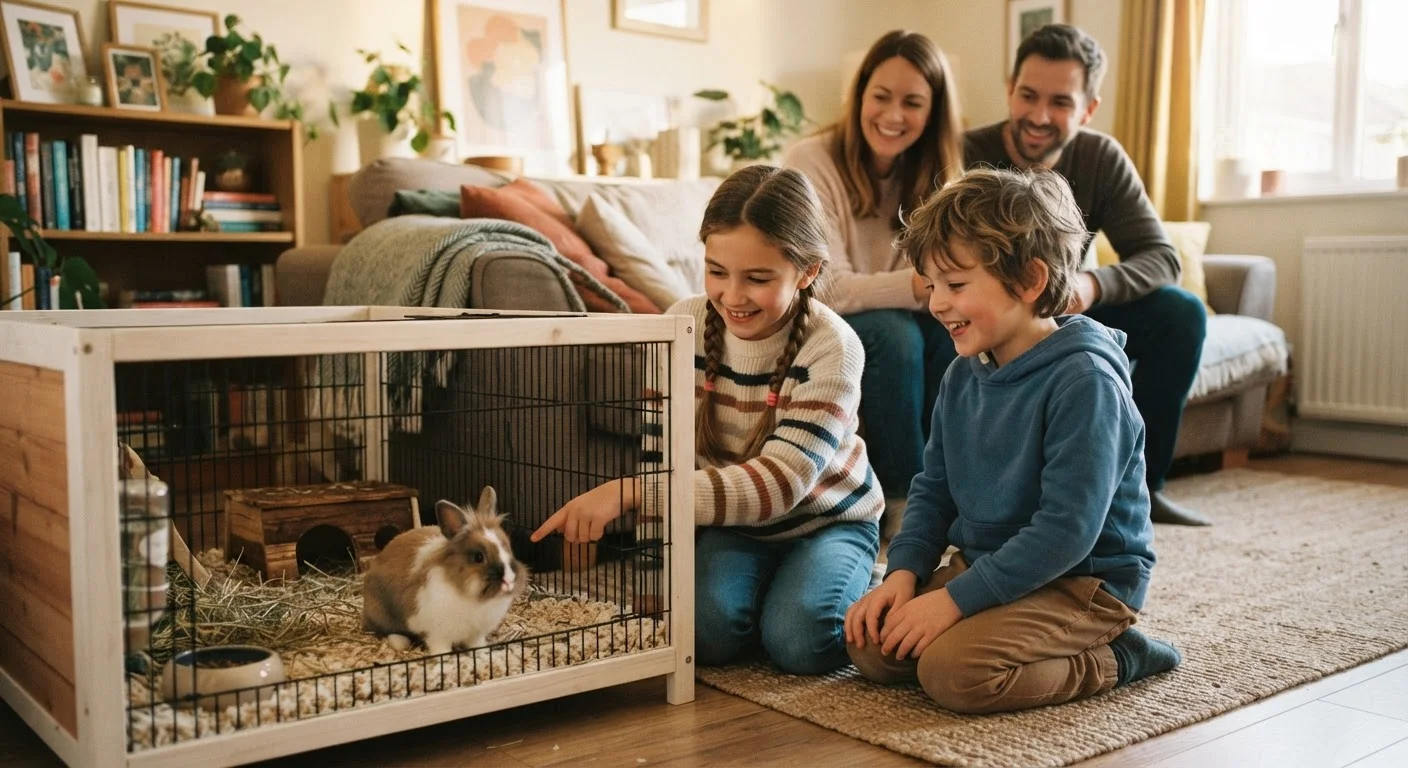
Small pets are a genuinely rewarding choice for families who research their chosen species carefully and commit to meeting its specific behavioral and health needs. The advantages - lower space requirements, moderate daily time investment, and meaningful interaction - are real, but so are the trade-offs around specialist vet access, enclosure enrichment, and lifespan responsibility. Going in with accurate expectations makes the difference between a thriving pet and an overwhelmed owner.
Best suited to families or individuals who can research species requirements in advance, budget for unexpected veterinary costs, and dedicate consistent daily attention to care and interaction.
What 'Small Pet' Actually Covers
The term small pet spans a wide range of animals - hamsters, gerbils, mice, rats, guinea pigs, rabbits, chinchillas, and more. Each species carries distinct behavioral needs, social requirements, and health considerations. A rabbit, for instance, is a long-lived, highly social animal that needs substantial daily space and interaction. A pair of gerbils requires far less room but equally consistent enrichment. Lumping these animals together as low-effort alternatives to dogs or cats is the single most common misconception new owners bring to the relationship.
Before committing, it is worth identifying the specific species you are considering and researching its needs precisely. Our guide to lesser-known small pets can help broaden your thinking about which animal might genuinely fit your household.
The Real Advantages of Small Pet Ownership
Small pets offer meaningful benefits that suit many families and living situations.
Suits smaller living spaces and rental situations
Most small pets require far less floor space than dogs or cats, making them genuinely compatible with apartments and homes with size or lease restrictions.
Lower daily time commitment than larger pets
While daily care is non-negotiable, small pets typically require less active interaction time per day than dogs, which suits families with full schedules.
Teaches children practical care responsibility
Feeding, cleaning, and monitoring a small pet gives children structured, age-appropriate experience with animal welfare and consistent routine.
Generally lower food and supply costs
Species-appropriate diets for hamsters, gerbils, or guinea pigs cost considerably less per month than feeding a medium or large dog.
Many species offer genuine social interaction
Rats, guinea pigs, and rabbits in particular are social animals that can bond with their owners and respond to handling in ways that provide real companionship.
Space constraints that would rule out a dog are rarely a barrier for a well-housed hamster or guinea pig. Apartment dwellers, families in smaller homes, and renters who face pet restrictions often find small pets a practical path to animal companionship. The lower surface-area footprint also tends to mean lower food costs and less cleaning volume compared with larger animals - though this should not be confused with zero effort.
For children, small pets can provide a structured introduction to responsibility: feeding routines, habitat cleaning, and observing an animal's health and behavior build genuine care skills. Understanding what normal behavior looks like in a hamster or gerbil, for example, helps children develop attentive observation habits that carry over to all animal care.
The Trade-Offs Owners Should Anticipate
Honest ownership means understanding where small pets present real challenges.
Specialist veterinary care is harder to find
Rabbits, guinea pigs, and chinchillas are exotic patients for many clinics, meaning emergency care may require locating a specialist in advance - and paying specialist rates.
Activity hours may not suit families
Hamsters and gerbils are crepuscular or nocturnal, meaning they are most active at dawn and dusk. Children expecting daytime interaction may find this frustrating.
Enclosure and enrichment needs are underestimated
Manufacturer-recommended cage sizes for many species are frequently smaller than what veterinary and welfare guidelines recommend. Under-enriched environments contribute to stress and health problems.
Lifespan requires a genuine long-term commitment
Rabbits and chinchillas can live a decade or more. Treating small pets as temporary or low-stakes companions misrepresents the real responsibility involved.
Allergies are a real and underreported risk
Hay - a dietary staple for rabbits and guinea pigs - is a common allergen. Bedding materials such as certain wood shavings can also trigger respiratory reactions in sensitive individuals.
Social species suffer without companion animals
Guinea pigs, gerbils, and rats are social species that generally thrive in pairs or groups. Single-animal housing can cause stress and behavioral problems if not offset by substantial owner interaction.
Veterinary access is one of the most consistently underestimated factors. Many small mammals - particularly rabbits, chinchillas, and guinea pigs - are classified as exotic animals by veterinary practices, meaning not every local clinic will treat them. Specialist care costs more and may require travel. Knowing which health signals to watch for helps owners act quickly when something changes, but finding the right vet before an emergency is essential.
Species Differences Matter More Than Size
Two animals that look similar in size - say, a hamster and a gerbil - can have completely different social, dietary, and enrichment needs. Gerbils are social animals that should usually be kept in same-sex pairs, while Syrian hamsters are solitary and can be harmed by cohabitation. Always research your specific species, not just the general category of 'small pet,' before purchasing a habitat or setting up care routines.
Habitat enrichment is another area where expectations often fall short. A basic cage with a wheel satisfies almost no small animal fully. Our article on building an enriching environment for caged pets covers the habitat features that support natural behaviors - tunneling, foraging, and social interaction - that keep small animals physically and mentally healthy.
Budgeting for a Small Pet Honestly
Initial purchase or adoption costs for small pets are modest compared with dogs or cats. But the full picture is wider than the sticker price.
8-12 years
Typical rabbit lifespan
Veterinary and welfare organizations consistently note that domestic rabbits are long-lived pets, often outlasting owners' initial expectations by years.
Up to 15+ years
Chinchilla lifespan in captivity
Chinchillas are among the longest-lived small mammals kept as pets, according to general exotic animal veterinary guidance.
~$300-$700
Estimated first-year cost for a guinea pig
First-year costs include habitat setup, bedding, food, and a wellness exam; ongoing annual costs tend to be lower but vary significantly by veterinary region.
Enclosure setup - a correctly sized habitat, bedding, hides, enrichment items, and water systems - represents the largest single upfront cost for most small pet species. Recurring bedding replacement, species-appropriate food, and annual or as-needed veterinary visits accumulate over a pet's lifespan. Rabbits can live eight to twelve years; chinchillas may live fifteen or more. Factoring these years into your household planning is genuinely important. Families managing tight budgets may find it helpful to work through a structured household budgeting approach before committing.
The content provided on our blog site traverses numerous categories, offering readers valuable and practical information. Readers can use the editorial team’s research and data to gain more insights into their topics of interest. However, they are requested not to treat the articles as conclusive. The website team cannot be held responsible for differences in data or inaccuracies found across other platforms. Please also note that the site might also miss out on various schemes and offers available that the readers may find more beneficial than the ones we cover.