

Why the Owner's Manual Is Your Most Valuable Tool
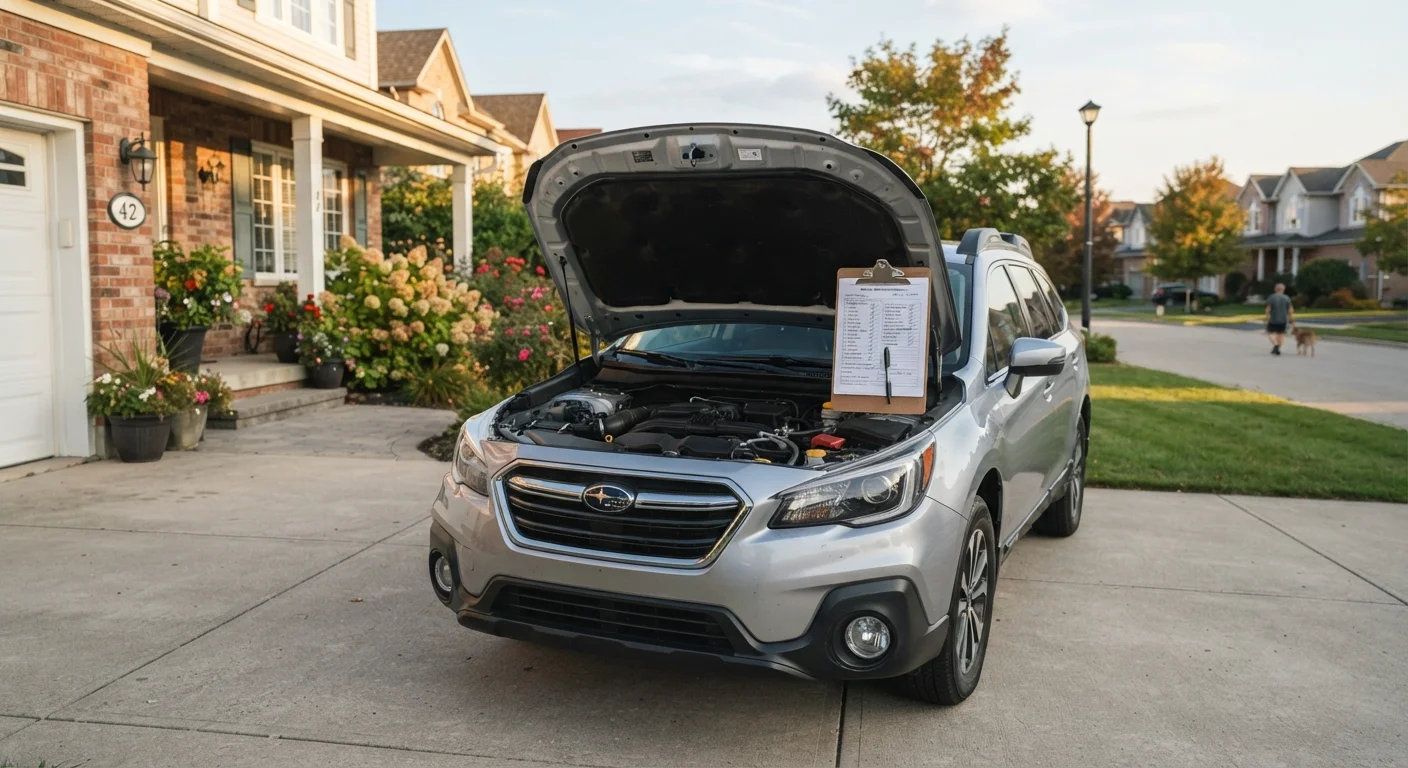
Most families never open their vehicle's owner's manual after driving off the lot. That's a costly oversight. The manual contains the manufacturer's official maintenance schedule - a precise, engineered timeline for servicing your specific engine, transmission, and supporting systems. It is more accurate than any generic advice a service advisor might offer.
Your schedule will list services by mileage intervals (e.g., every 5,000 or 30,000 miles) and sometimes by time (e.g., every 12 months), whichever comes first. Both thresholds matter: a car driven infrequently can still degrade over time, particularly fluids and rubber components like belts and hoses.
For a broader foundation of what car ownership really involves, our Car Ownership Basics hub covers insurance, registration, and understanding vehicle costs in one place.
Find Your Schedule in Minutes
If you don't have a physical owner's manual, most automakers publish them as free PDFs on their official websites. Search for your vehicle's year, make, and model plus 'owner's manual PDF.' The maintenance schedule is typically in the back third of the document under a section titled 'Maintenance' or 'Service Intervals.'
The Core Services Every Family Car Needs
While intervals vary by make and model, most passenger vehicles share a common set of recurring services. Understanding each one helps you evaluate what a shop recommends - and push back when something seems unnecessary.
Engine Oil and Filter
Oil lubricates engine components and breaks down over time. Most modern vehicles using full synthetic oil can go 7,500-10,000 miles between changes; some go longer. The old 3,000-mile rule is largely obsolete for vehicles made in the last two decades. Check your manual for the spec - and don't let myths drain your wallet. Our article on car maintenance myths costing families money breaks this down further.
Tire Rotation
Rotating tires - moving them between axle positions - evens out tread wear and extends tire life. Most manufacturers recommend rotation every 5,000-7,500 miles. Many shops bundle this with an oil change, making it convenient and cost-effective.
Cabin Air Filter
This filter cleans the air entering your car through the HVAC system. A clogged filter reduces airflow and can affect air quality inside the vehicle. Typical replacement intervals are every 15,000-25,000 miles, though dusty driving conditions shorten that window.
Engine Air Filter
The engine air filter prevents debris from entering the combustion system. Most manufacturers suggest inspection or replacement every 15,000-30,000 miles, depending on conditions.
35%
Of drivers delay or skip routine maintenance
AAA surveys have found a significant share of US drivers postpone maintenance, citing cost and inconvenience as primary reasons.
$100B+
Annual cost of vehicle repairs from neglected maintenance
The Car Care Council estimates Americans spend over $100 billion annually on repairs that proper preventive maintenance could reduce.
15,000-25,000 mi
Typical cabin air filter replacement interval
Manufacturer recommendations vary, but most passenger vehicles need a new cabin air filter in this range under normal driving conditions.
Fluid Checks, Brakes, and the Bigger Intervals
Beyond oil, your vehicle relies on several other fluids - coolant, brake fluid, power steering fluid, and transmission fluid - each with its own service life. Your owner's manual specifies when each should be inspected or flushed. Brake fluid, for example, absorbs moisture over time and can compromise braking performance; many manufacturers recommend a flush every two years or 30,000 miles.
Brake pads and rotors don't follow a fixed mileage schedule because wear depends on driving habits. However, annual visual inspections are standard practice, and most mechanics check them during routine service. Squealing or grinding sounds are warning signs that warrant immediate attention - not a wait-until-next-visit situation.
Larger-interval services - such as spark plug replacement, timing belt inspection, and coolant flushes - often fall at 60,000 or 90,000 miles. Missing these can have serious mechanical consequences. If you drive a high-mileage vehicle, our guide on maintaining high-mileage vehicles explains how your maintenance priorities shift after 100,000 miles.
Seasonal driving also matters. Extreme heat and cold affect battery performance, tire pressure, and fluids differently. Our seasonal car care guide walks through how to prepare before conditions change.
Tracking Service and Staying Ahead
Knowing your schedule is only half the equation - acting on it consistently is what protects your investment. A simple log of every oil change, rotation, and filter replacement serves multiple purposes: it keeps you on track, helps mechanics diagnose problems faster, and is one of the strongest signals of value when you eventually sell.
Our article on keeping a maintenance log explains exactly how to set one up and what to record.
One more tool to keep in your back pocket: understanding your dashboard warning lights. A check-engine light or oil pressure warning during a routine drive shouldn't be ignored until the next scheduled service. Our dashboard warning lights guide explains what each light means and how urgently it needs attention.
Normal vs. Severe Driving Conditions
Many families unknowingly qualify as 'severe' drivers under their manufacturer's definition. Frequent trips under five miles, heavy traffic commutes, towing, and driving in extreme heat or cold all count. If this describes your typical use, apply the severe-duty intervals in your manual - they're shorter and more protective for your engine.
Following your manufacturer's schedule - rather than reacting to problems - is the most reliable way to keep your family's car safe, dependable, and worth protecting.
Frequently Asked Questions
It depends on your vehicle and the type of oil used. Many modern vehicles with synthetic oil can go 7,500-10,000 miles between changes, while older engines or conventional oil may require changes every 5,000 miles. Always check your owner's manual rather than relying on the old 3,000-mile rule, which is outdated for most cars.
Skipping service intervals can accelerate wear on critical components, reduce fuel efficiency, and lead to costly repairs that preventive maintenance would have avoided. In some cases, neglecting documented service may also affect your warranty coverage.
Your vehicle's owner's manual contains the full manufacturer-recommended schedule. Many automakers also post this information on their official websites, or you can ask a dealership service department to print it for you.
No. Severe duty conditions include frequent short trips under five miles, stop-and-go city driving, towing, extreme heat or cold, and dusty environments - all common for everyday family drivers. If this describes your typical driving, the severe schedule likely applies to you.
No. Independent mechanics and certified repair shops can perform manufacturer-scheduled service. Keep all receipts and records to document that service was completed, which matters for warranty purposes and resale value.
Scheduled maintenance follows a manufacturer-defined checklist tied to mileage or time. A 'tune-up' is a looser term shops use that can mean different things depending on the vehicle. See <a href="/cars-driving/car-maintenance/the-real-difference-between-a-tune-up-and-routine-maintenance">what a tune-up actually involves</a> before agreeing to one.
The content provided on our blog site traverses numerous categories, offering readers valuable and practical information. Readers can use the editorial team’s research and data to gain more insights into their topics of interest. However, they are requested not to treat the articles as conclusive. The website team cannot be held responsible for differences in data or inaccuracies found across other platforms. Please also note that the site might also miss out on various schemes and offers available that the readers may find more beneficial than the ones we cover.