

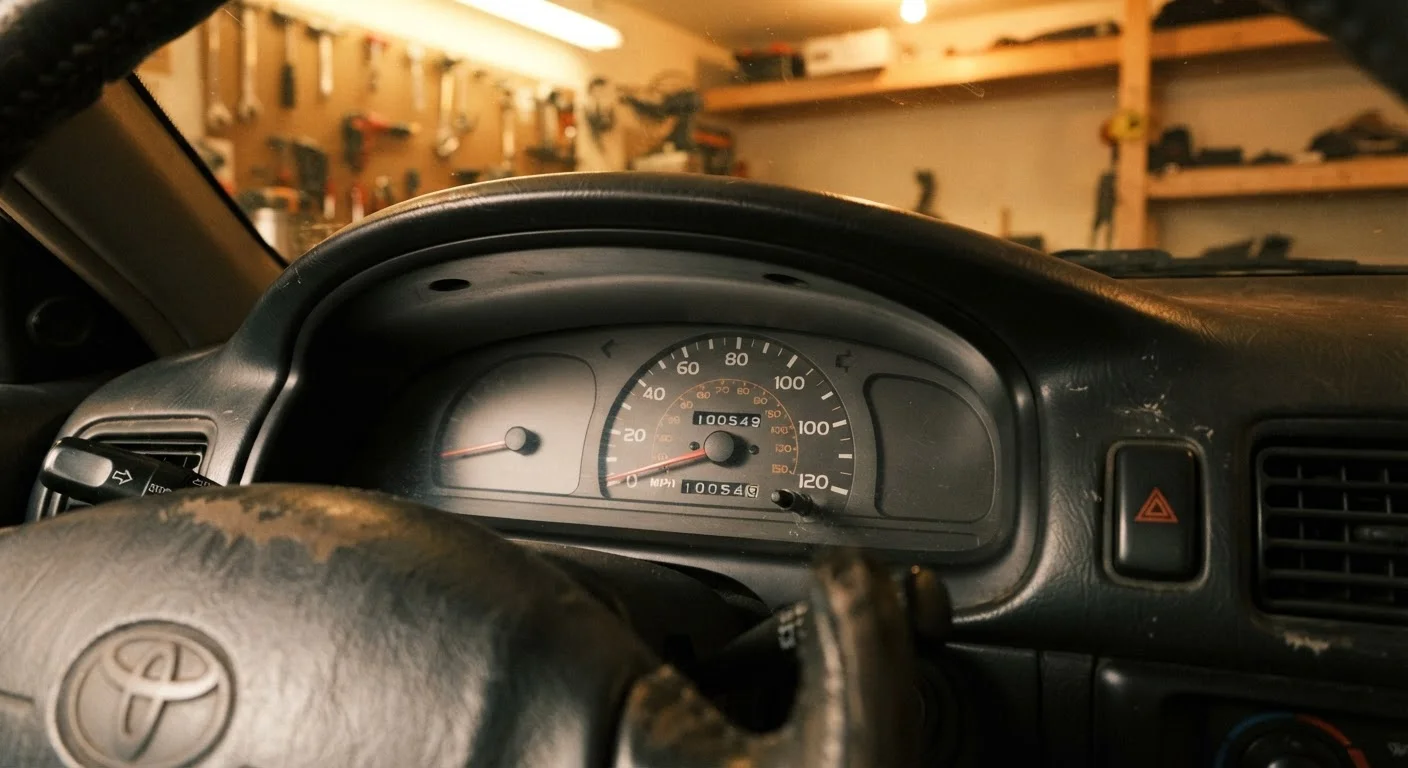
Why High Mileage Changes the Maintenance Equation
A car with 100,000 miles on it isn't a worn-out car - it's a car with different needs. Rubber seals and gaskets have experienced years of heat cycling and compression. Engine tolerances open slightly as metal surfaces wear. Hoses, belts, and sensors that were factory-fresh are now operating closer to the end of their designed service life.
None of this means trouble is imminent. It means the maintenance habits that worked at 30,000 miles need a thoughtful update. The goal shifts from prevention to proactive management - catching small issues before they compound. Families who make this mental shift tend to keep high-mileage cars running well for tens of thousands of additional miles. For a grounding in the basics, see your family car's maintenance schedule explained.
Best Practices for High-Mileage Maintenance
The following practices reflect the adjustments that matter most as the odometer climbs. They're ordered by impact - start at the top.
Switch to a motor oil formulated for high-mileage engines
High-mileage motor oils typically contain seal conditioners and additional detergents designed to address the gradual wear patterns in engines with significant miles. As rubber seals age, they can shrink slightly and allow minor seepage - formulations designed for older engines may help slow this process. Always consult your owner's manual for the correct viscosity grade.
Shorten your fluid inspection interval - check every 3,000 miles, not just at service
Older engines and transmissions are more prone to gradual fluid loss and degradation. Catching a slow coolant or oil leak early costs far less than addressing the overheating or internal damage that follows. Regular visual checks take five minutes and require no tools.
Inspect and service the cooling system proactively
Cooling system failures are among the most common causes of serious engine damage in high-mileage vehicles. Coolant (also called antifreeze) degrades over time, losing its ability to prevent corrosion and regulate temperature. Hoses also stiffen and crack with age, and the water pump - typically replaced between 80,000 and 120,000 miles - warrants a professional evaluation if it hasn't been addressed.
Address transmission fluid if it hasn't been serviced recently
Many families skip transmission fluid changes because the car seems to be shifting fine. But aged transmission fluid loses its protective properties, and automatic transmissions in particular are expensive to rebuild or replace. Most manufacturers recommend a fluid change every 30,000-60,000 miles; by 100,000 miles, this service is often overdue.
Monitor and replace wear items on a mileage-based schedule
Spark plugs, serpentine belts, timing belts (or chains), and oxygen sensors all have expected service lives. At high mileage, these items may be near or past their replacement windows. Failing to replace them on schedule risks breakdowns and secondary damage - a snapped serpentine belt, for example, can disable the power steering, alternator, and water pump simultaneously.
Pay attention to battery age alongside mileage
Car batteries typically last three to five years regardless of mileage. A high-mileage vehicle may be on its second or third battery - or may still have the original if it was purchased used. A battery that's marginal in warm weather can fail without warning in cold temperatures.
For a broader picture of ownership habits that keep long-term costs in check, see responsible car ownership habits that protect your investment.
Quick Wins You Can Do This Week
You don't need a full service appointment to make meaningful progress. These actions take under an hour and cost little or nothing.
Before any long trip, take fifteen minutes to run through the checks covered in checking your own fluid levels before a long road trip.
The Role of Documentation at High Mileage
At 100,000-plus miles, a complete service history is worth more than it was at 40,000. When a mechanic can see that the coolant was flushed at 95,000, the transmission fluid at 90,000, and the timing belt at 105,000, they can give you a far more accurate picture of what needs attention next - and what doesn't.
What If You Don't Have Complete Records?
It's very common to buy a used vehicle with incomplete service history. In that case, many mechanics recommend treating certain services - such as coolant flush, transmission fluid, and spark plugs - as overdue and scheduling them. The cost of unnecessary preventive service is almost always lower than the cost of diagnosing a failure caused by deferred maintenance.
If your records are incomplete, start fresh today. Note the current mileage, list everything you know has been done, and commit to logging every future service. Keeping a maintenance log is one of the simplest habits that pays dividends for years.
Also worth reading: car maintenance myths that are quietly costing American families money - some of the most common misconceptions specifically hurt high-mileage owners who follow outdated rules.
The content provided on our blog site traverses numerous categories, offering readers valuable and practical information. Readers can use the editorial team’s research and data to gain more insights into their topics of interest. However, they are requested not to treat the articles as conclusive. The website team cannot be held responsible for differences in data or inaccuracies found across other platforms. Please also note that the site might also miss out on various schemes and offers available that the readers may find more beneficial than the ones we cover.