

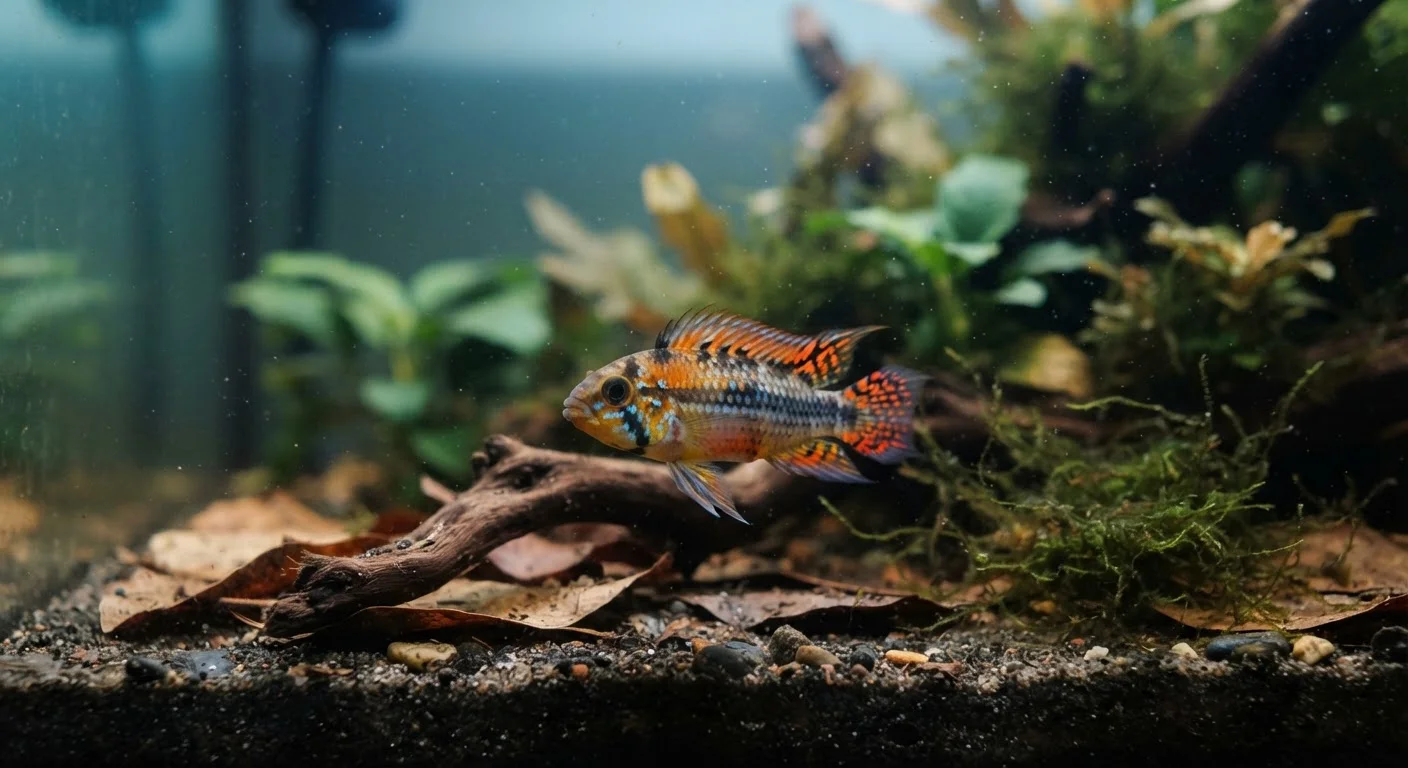
What Stressed Fish Actually Look Like
Fish cannot communicate discomfort the way dogs or cats do, so owners need to read subtle physical and behavioral cues. The most recognizable sign is clamped fins - when a fish holds its fins pressed close to the body instead of fanning them open naturally. This alone is worth investigating.
Color changes are another reliable indicator. A fish that appears faded, washed out, or showing dark blotchy patches may be responding to a stressor rather than developing a disease. Erratic swimming - including darting suddenly, spiraling, or rubbing against tank surfaces (called flashing) - points to either stress or early-stage parasites, and the two often occur together.
Behavioral withdrawal is equally telling. A fish that spends most of its time hiding, refuses food for more than a day or two, or hovers motionless near the surface or at the tank bottom deserves a closer look at tank conditions.
Keep a Simple Observation Log
Jot down your fish's typical behavior when things are going well - activity level, feeding response, fin position, coloration. Having a baseline makes it much easier to spot early changes before they escalate. Even a few notes per week is enough to identify patterns over time.
The Most Common Causes of Fish Stress
Water quality problems top the list. Ammonia and nitrite - the toxic byproducts of fish waste - spike quickly in tanks that aren't properly established or maintained. Even small elevations irritate fish gills and trigger a stress response within hours. Understanding how the nitrogen cycle works is foundational to preventing this category of stress entirely.
Temperature fluctuations are frequently overlooked. Most tropical fish thrive within a narrow temperature band; a swing of even a few degrees - caused by a failing heater, a cold room, or direct sunlight - can stress fish quickly. Check heater settings and use a separate thermometer to verify accuracy.
Overcrowding and incompatible tankmates create chronic, relentless stress. Fish need adequate space and similarly-tempered companions. Aggressive or territorial species will persistently harass quieter fish, leading to stress, injury, and eventually disease in the target fish.
Insufficient hiding spaces also matter. Many fish species are naturally shy and need planted areas, rocks, or decorations to retreat to. A sparse, exposed tank leaves prey-natured fish feeling permanently vulnerable.
#1
Cause of fish death in home aquariums
Poor water quality - particularly ammonia toxicity in uncycled tanks - is widely cited by aquatic veterinarians as the leading preventable cause of fish mortality in home setups.
25-30%
Recommended maximum water change per session
Aquarium care guidelines generally recommend replacing no more than 25-30% of tank water at one time to avoid abrupt chemical and temperature shifts that stress fish.
24-72 hrs
Typical settling window for newly introduced fish
Most fish show their baseline behavior within one to three days of introduction to a properly cycled, appropriately stocked aquarium, according to general aquarist guidance.
Improper tank setup at the start - including skipping the cycling process - is one of the most preventable causes of early fish loss. See how to set up a tank that stays healthy for a thorough walkthrough.
Handling, Transport, and Environmental Triggers
Even a well-maintained tank can produce acute stress through poor handling. Netting fish frequently, chasing them around the tank, or performing large, sudden water changes are all common owner mistakes. Water changes should typically replace no more than 25-30% of tank volume at a time, and replacement water should be temperature-matched and treated to remove chlorine before adding it.
Loud noises, vibrations near the tank, and bright light without a period of gradual dimming can startle fish repeatedly throughout the day. Tank placement matters - avoid high-traffic areas with unpredictable noise, direct sunlight exposure, and proximity to televisions or speakers.
New fish introduced without proper acclimation are immediately stressed. Floating the bag to match temperature, then slowly mixing tank water into it before releasing the fish, gives their systems time to adjust rather than absorbing an abrupt change all at once.
Stress and Disease Often Overlap
It can be difficult to tell whether a fish is stressed, sick, or both - because prolonged stress suppresses the immune system and often leads directly to infection. If behavioral signs are accompanied by visible physical symptoms like spots, lesions, or unusual growths, treat it as a potential health issue requiring veterinary assessment rather than purely an environmental problem to troubleshoot.
For families weighing their first aquarium setup, freshwater vs. saltwater tank considerations affect how difficult it is to maintain stable, stress-free conditions from the start.
What To Do When You Suspect Stress
Start with a water test - not a visual assessment, but an actual test kit measuring ammonia, nitrite, nitrate, and pH. This removes guesswork and identifies the most urgent problems first. Many pet stores offer free water testing if you bring a sample.
If water parameters are off, perform a partial water change and investigate the filtration system. If parameters look normal, shift focus to the social environment: observe whether any tankmates are chasing, nipping, or blocking the stressed fish from food.
When stress signs persist beyond a few days despite corrected conditions, or when physical symptoms like sores, white spots, or fin damage appear alongside behavioral changes, consulting a veterinarian with aquatic animal experience is the appropriate next step. Fish health is a legitimate area of veterinary medicine, and a professional can help distinguish between environmental stress and an active infection that requires treatment.
This article is for general informational purposes only and is not a substitute for professional veterinary advice. Always consult a qualified aquatic veterinarian if you are concerned about your fish's health.
Frequently Asked Questions
Stressed fish commonly show clamped fins held tight against the body, faded or blotchy coloration, and unusual swimming patterns such as darting, spinning, or hovering near the surface. Hiding more than usual or refusing food are also reliable behavioral signals.
The only reliable way is to test the water using an aquarium test kit. Elevated ammonia or nitrite levels are the most urgent problems and can stress fish within hours. High nitrates, wrong pH, and incorrect temperature can also contribute over time.
Yes, sustained stress can be fatal. It weakens the immune system, leaving fish prone to bacterial infections, fungal disease, and parasites. Fish already weakened by stress often decline quickly once secondary illness takes hold.
Recovery time varies depending on the cause and how long the fish was stressed. If the stressor is corrected early, many fish show behavioral improvement within a day or two. Prolonged stress with secondary illness requires more time and may need veterinary guidance.
Brief stress after introduction to a new tank is common and expected - the transition itself is a stressor. Most fish settle within 24-72 hours if the tank is properly cycled, appropriately sized, and free of aggressive tankmates.
Aquarium salt is sometimes used for certain freshwater fish as a supportive measure, but it is not appropriate for all species and should never replace addressing the root cause of stress. Consult a veterinarian with aquatic experience before using any treatment.
The content provided on our blog site traverses numerous categories, offering readers valuable and practical information. Readers can use the editorial team’s research and data to gain more insights into their topics of interest. However, they are requested not to treat the articles as conclusive. The website team cannot be held responsible for differences in data or inaccuracies found across other platforms. Please also note that the site might also miss out on various schemes and offers available that the readers may find more beneficial than the ones we cover.