

Our Verdict
Container gardening is a genuinely practical way to grow food, herbs, or ornamentals when space, soil quality, or mobility is a limiting factor. It trades some of the ease and scale of in-ground gardening for flexibility, control, and accessibility. Results depend heavily on choosing the right container size, a quality potting mix, and keeping up with watering.
Ideal for renters, apartment dwellers, households with limited yard space, or anyone who wants a low-commitment entry into gardening before investing in a full plot.
What Container Gardening Actually Involves
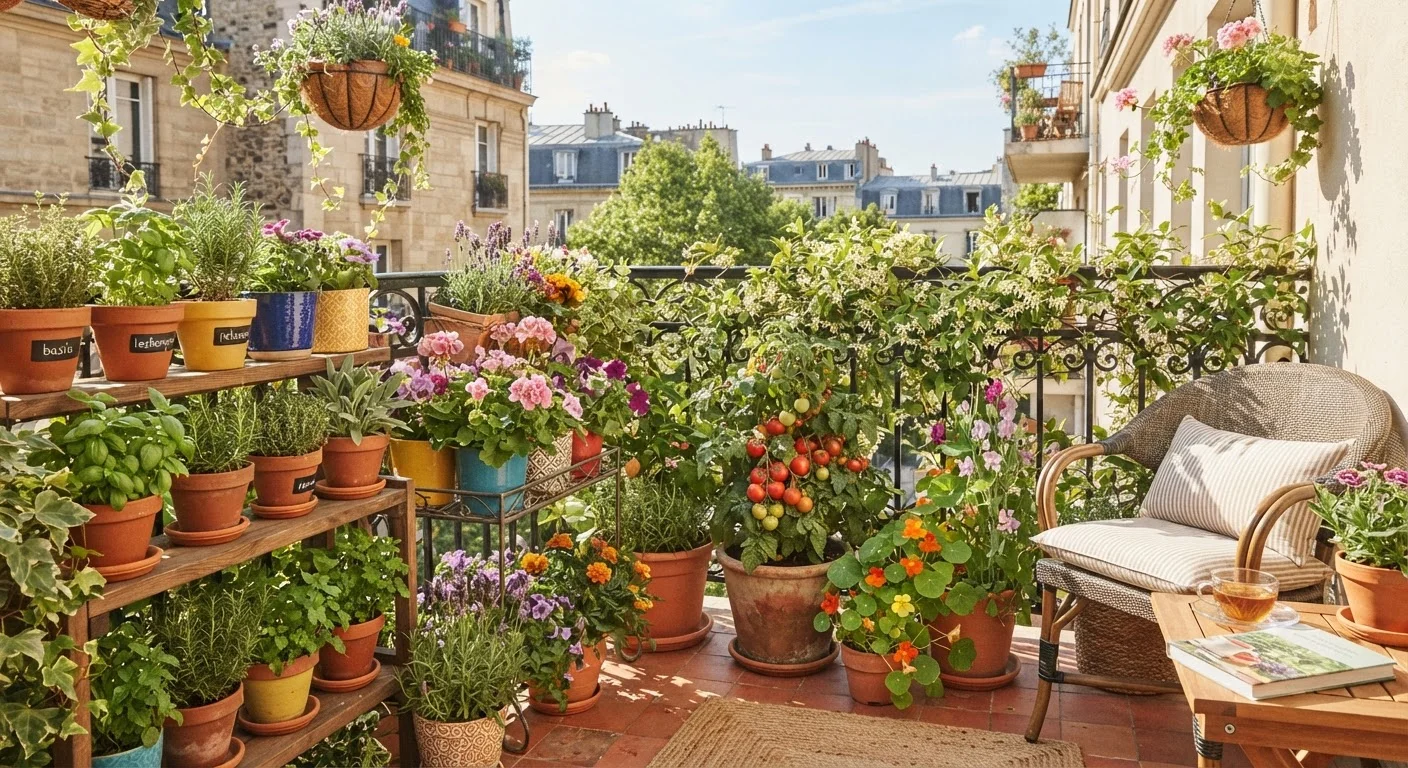
Container gardening means growing plants - vegetables, herbs, fruit, or ornamentals - in pots, planters, grow bags, window boxes, or any vessel that holds soil rather than planting directly in the ground. It's the default approach for many renters and urban households, but it's equally useful for homeowners who want flexibility or who struggle with poor native soil.
If you're newer to growing your own food, our beginner's guide to starting a garden covers the foundational concepts - soil, watering, light - that apply equally to container and in-ground setups. For those considering whether to go bigger, building a full vegetable garden offers a useful contrast.
The Advantages of Growing in Containers
Container gardening offers real, practical benefits that go beyond convenience. Understanding them helps you decide when pots are genuinely the smarter choice.
Works in virtually any outdoor space
Patios, balconies, fire escapes, driveways, and doorsteps can all host a productive container garden. You don't need a yard or even a large area to get started.
Full control over soil quality
Because you fill the container yourself, you're not fighting clay, compaction, or contaminated native soil. A fresh potting mix gives plants an ideal growing environment from day one.
Easier pest and weed management
Raised off the ground and isolated from surrounding soil, container plants face fewer soil-borne pests and dramatically fewer weeds, reducing ongoing maintenance time.
Plants can be moved to optimize conditions
Unlike in-ground beds, containers can be shifted to chase sunlight, avoid frost, or make room for outdoor gatherings - giving you a level of flexibility that fixed gardens can't match.
Lower barrier to entry for beginners
A few pots and a bag of potting mix is all you need to begin. The small scale keeps mistakes contained and manageable while you build experience and confidence.
One often-overlooked benefit is the ability to extend your growing season. You can move tender plants indoors when a frost threatens or shift sun-loving pots to track light as seasons change - something impossible with an in-ground bed. For a deeper look at getting plants off to the right start, see our comparison of seeds vs. transplants.
The Disadvantages Worth Knowing Before You Start
Container gardening isn't without tradeoffs. Going in with a realistic picture helps you set up systems that actually work.
Requires more frequent watering
Containers dry out significantly faster than in-ground beds, especially in summer heat. Depending on your climate and container size, daily watering may be necessary during peak growing season.
Nutrients deplete faster
Regular watering leaches nutrients from potting mix more quickly than from ground soil. Container plants typically need supplemental fertilizing every two to four weeks during the growing season.
Limited root space restricts plant size
Even with large containers, root volume is capped. This limits the size and yield of some crops - large indeterminate tomatoes or sprawling squash will always perform better in the ground.
Ongoing cost of soil and containers
Unlike in-ground beds that can be amended and reused indefinitely, potting mix degrades after one to two seasons and should be refreshed. Container and soil costs accumulate over time.
Temperature extremes affect roots more
Container walls offer little insulation. Roots can overheat in dark pots under direct summer sun or freeze faster in winter than in-ground plants - both of which can kill plants that would otherwise survive.
The watering demand, in particular, catches many beginners off guard. A large pot in direct summer sun may need water every day, and a missed day during a heat spell can kill plants quickly. Building a simple watering routine from day one is more important in containers than in almost any other garden format.
Potting Mix vs. Garden Soil: Not Interchangeable
Products labeled 'garden soil' or 'topsoil' are formulated for in-ground use and will compact heavily inside a container, suffocating roots. Always use a mix specifically labeled for containers or pots. Some mixes include slow-release fertilizer, which can reduce the need for supplemental feeding in the early part of the season.
Choosing Containers and Soil Wisely
Container success starts with two decisions: the vessel and the growing medium. Drainage is non-negotiable - every container needs at least one hole at the bottom. Standing water around roots causes rot faster than almost any other problem.
For size, match the container to the crop. Herbs and lettuce do fine in 6-8 inch pots. Tomatoes, peppers, and cucumbers need at least a 5-gallon container - 10 to 15 gallons is better for full-sized tomato varieties. Dwarf or patio-bred varieties are specifically bred for smaller containers and tend to outperform standard varieties in limited space.
Never use native yard soil in containers. It compacts in pots, starves roots of oxygen, and drains poorly. A quality potting mix designed for containers - typically containing peat moss or coco coir, perlite, and sometimes compost - is what the plants actually need. You can enrich it with homemade compost; our guide to composting kitchen scraps explains how to produce a steady supply at low cost.
For families watching household spending, container startup costs are worth budgeting ahead of time. Our family budgeting resources can help you factor seasonal garden expenses into your broader financial planning.
What to Grow and Where to Put It
Most edible plants can grow in containers given enough root space and light. The most reliably successful options for US home gardeners include:
- Herbs: Basil, mint, chives, parsley, and thyme thrive in smaller pots and tolerate partial shade.
- Salad greens and spinach: Fast-growing, productive in window boxes, and tolerant of cooler temperatures.
- Tomatoes and peppers: Heavy feeders that reward consistent watering and fertilizing with good yields from a single large container.
- Strawberries: Well-suited to hanging baskets or tiered planters.
- Dwarf citrus: Possible in large containers in mild climates or with indoor overwintering in colder zones.
Placement matters as much as container choice. Most fruiting vegetables need at least 6 hours of direct sun per day. If your outdoor space gets less, focus on leafy greens and herbs, which tolerate shadier conditions. For additional context on how container growing compares to other methods, see our raised beds vs. in-ground planting comparison.
80%+
US households with some form of outdoor space
According to U.S. Census data, the vast majority of American households have at least a patio, balcony, or small yard - spaces well-suited to container gardening.
5-10 gallons
Minimum container size for tomatoes
University cooperative extension guidelines consistently recommend at least a 5-gallon container for compact tomato varieties, with 10-15 gallons preferred for standard sizes.
The content provided on our blog site traverses numerous categories, offering readers valuable and practical information. Readers can use the editorial team’s research and data to gain more insights into their topics of interest. However, they are requested not to treat the articles as conclusive. The website team cannot be held responsible for differences in data or inaccuracies found across other platforms. Please also note that the site might also miss out on various schemes and offers available that the readers may find more beneficial than the ones we cover.